
The World’s Finest Assassin Season 1 Review — Cool Assassin Ideas, Weird Fanservice, and a Pretty Mid Story
The World’s Finest Assassin has a great concept, a surprisingly wholesome family, fun characters, and some ridiculously cool assassination ideas. I enjoyed watching it, but the simple story, heavy fanservice, and setup-heavy ending kept it firmly in “mid but enjoyable” territory for me.
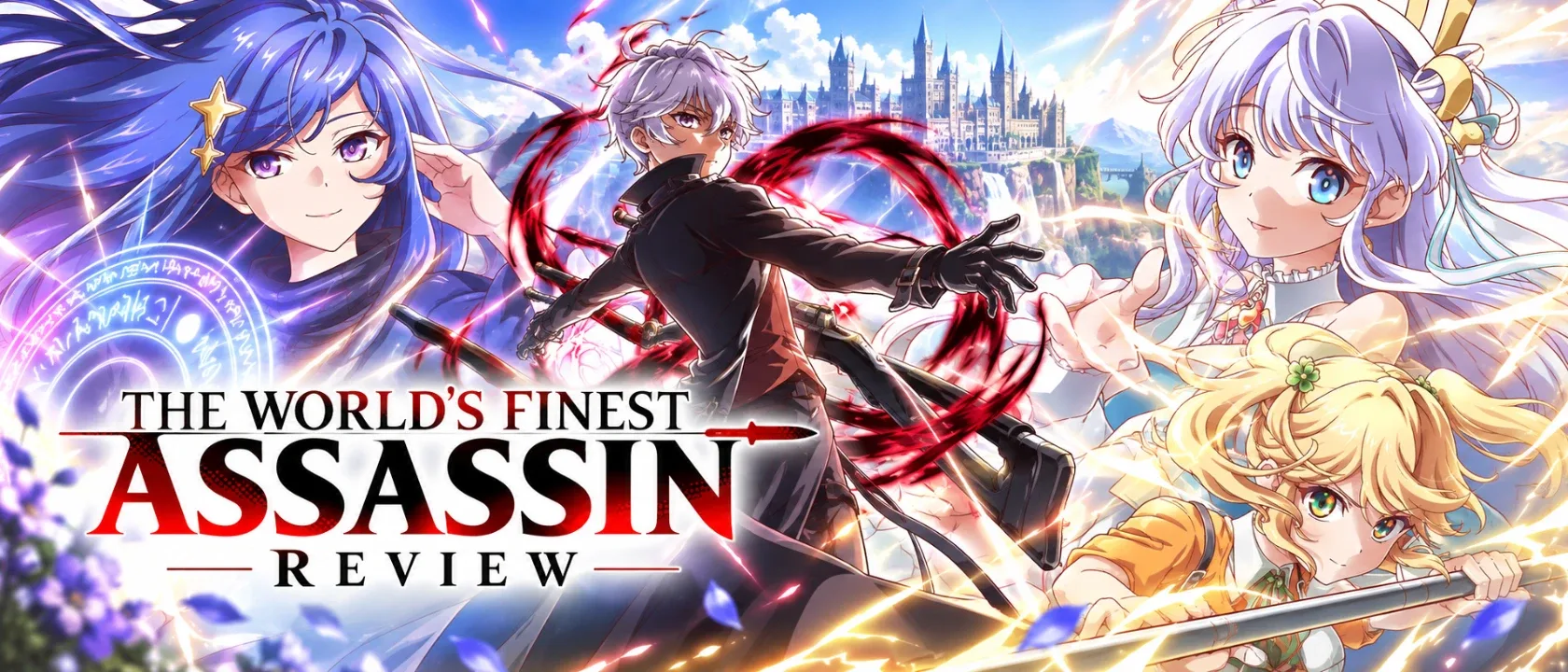
⚠️ Spoiler Warning: This review contains major spoilers for the entire first season of The World’s Finest Assassin Gets Reincarnated in Another World as an Aristocrat.
An Assassin Reincarnated to Kill the Hero Sounds Amazing
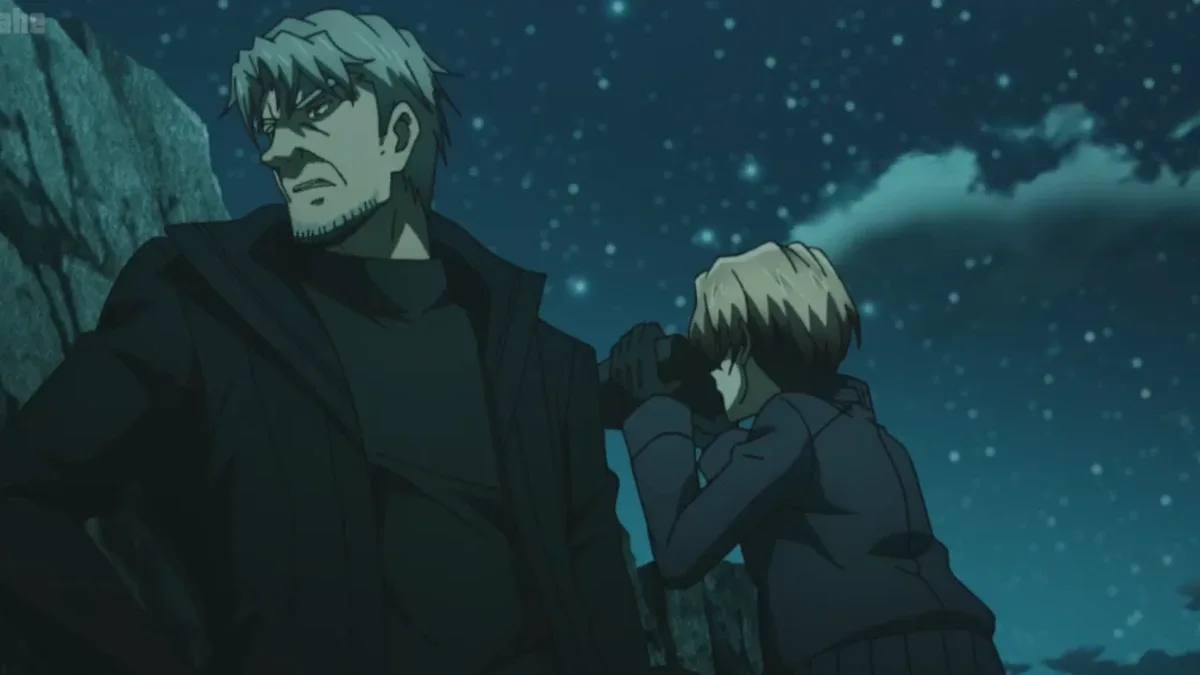
The premise of The World’s Finest Assassin immediately sounded interesting to me.
The protagonist was already the greatest assassin in his previous life. After spending his entire life completing missions for his organization, he finally decides to retire. Instead, the same organization he devoted his life to betrays him and kills him.
Then he meets a Goddess.
She gives him another chance at life, reincarnating him into a fantasy world as Lugh Tuatha Dé. But obviously, there is a condition.
He eventually has to assassinate the Hero before the Hero destroys the world.
That sounds like the setup for an absolutely wild story. An experienced modern assassin being dropped into a fantasy world, learning magic, combining it with his knowledge from Earth, and preparing to assassinate someone powerful enough to save the world?
I was interested immediately.
The funny thing is that Season 1 is nowhere near as intense as that premise makes it sound.
Most of the season is basically Lugh preparing for the real story.
And somehow, I still enjoyed it.
Lugh’s Assassin Family Was Surprisingly Wholesome
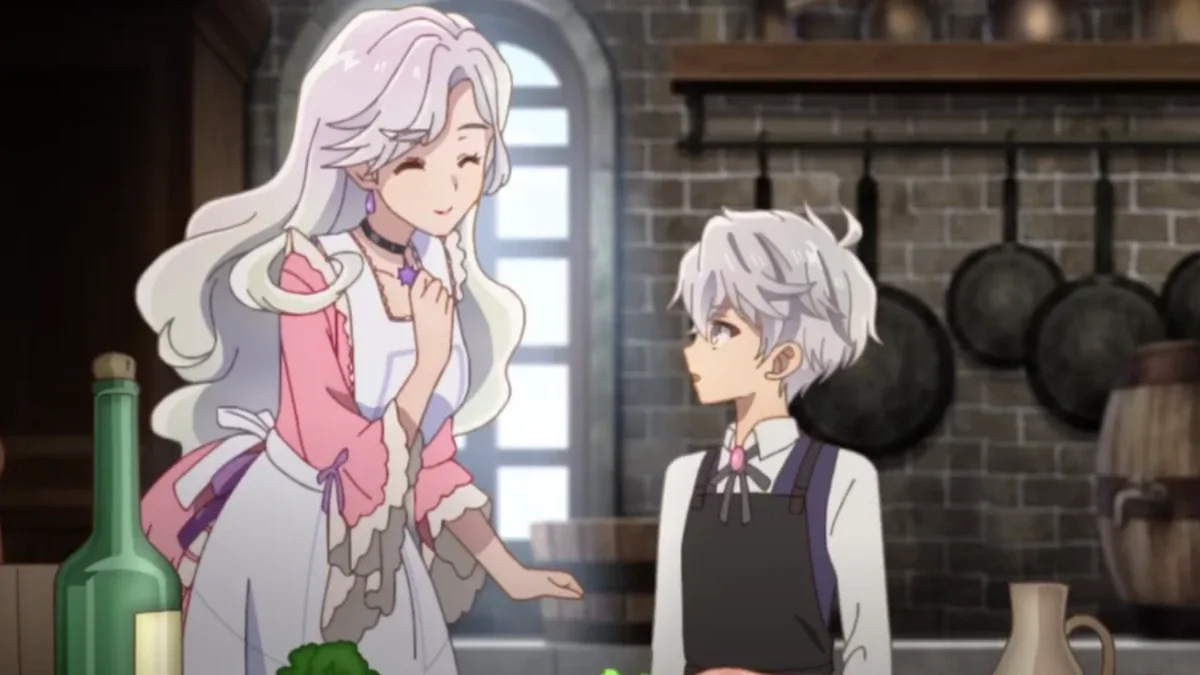
One of my favorite parts of the anime was actually Lugh’s family.
When I heard that he was reincarnating into a family of assassins, I expected the usual cold fantasy family where the father treats his son like a weapon and everyone spends their childhood suffering.
Instead, Lugh gets genuinely loving parents.
Cian is strict because he is training Lugh to become an assassin, but he is never just a cruel father. He clearly loves his son, respects his abilities, and eventually gives Lugh the freedom to decide what kind of assassin he wants to become.
Esri is almost the complete opposite. She just loves her son ridiculously much.
Their family scenes were some of the most unexpectedly wholesome moments in the anime.
Cian especially became one of my favorite characters. I loved the revelation that even he had once broken the principles of the Tuatha Dé for the woman he loved.
That woman was Esri.
Then years later, Lugh decides to do basically the same thing for Dia.
Father like son.
It was a small detail, but it made Cian feel much more human than the stereotypical emotionless assassin father I initially expected.
Dia, Tarte, and Maha Slowly Become Lugh’s Team
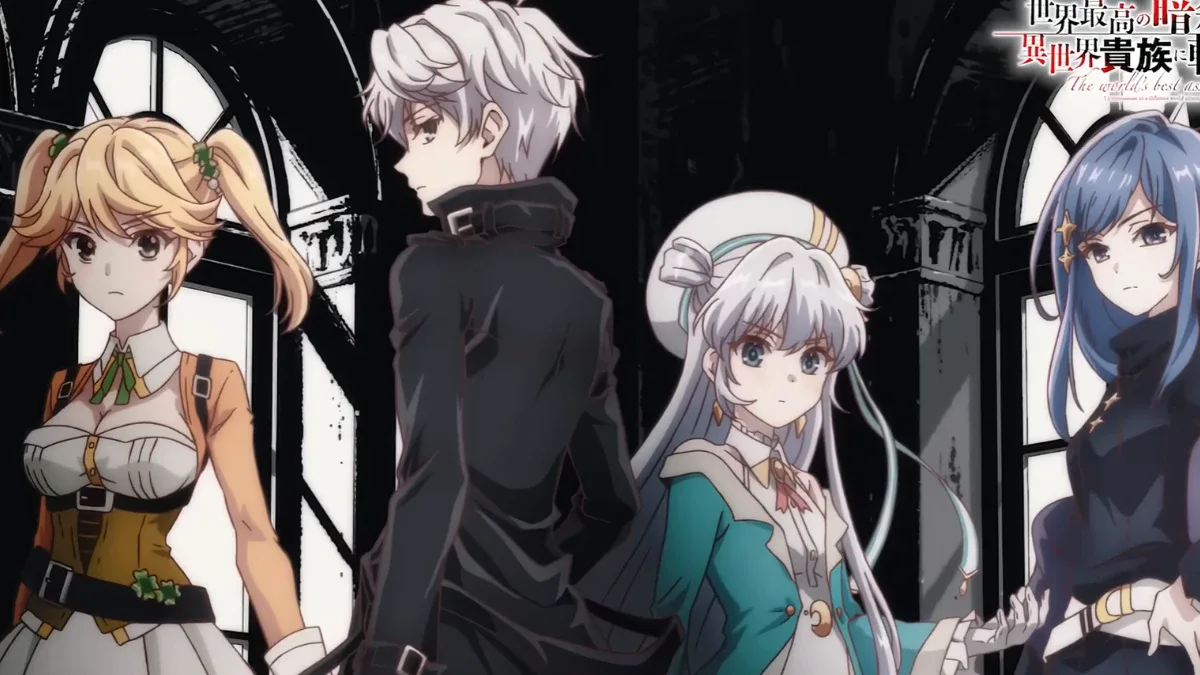
Lugh eventually surrounds himself with three girls who each become important to his new life: Dia, Tarte, and Maha.
Dia was easily my favorite relationship for Lugh.
She starts as his magic teacher, but their relationship quickly becomes much more personal. They experiment with magic together, create new spells, and continue meeting even after Lugh leaves to live under his merchant identity.
Eventually, Lugh straight-up admits that he loves Dia and wants to marry her someday.
I already suspected something was going on between them much earlier, so hearing him finally say it was extremely satisfying.
Then there is Tarte.
Lugh rescues her when she has almost nothing, trains her, and she becomes his main combat partner. Her loyalty to Lugh is honestly extreme.
The saddest part comes when she realizes that Lugh truly loves Dia.
She still uses everything she has to help Lugh reach Dia as quickly as possible, even exhausting herself with wind magic. Then after Lugh leaves, she cries because she loves him too.
That scene genuinely hurt.
What makes it even sadder is that Tarte wants to become Lugh’s “ultimate tool.” Meanwhile, one of the biggest changes in Lugh himself is that he no longer wants to live as somebody else's tool.
I really hope Tarte eventually realizes she is worth more than simply being useful to him.
Maha fills a completely different role.
Her development feels ridiculously fast at first. One episode she is a poor girl surviving an awful situation, and suddenly she is catching spies and helping Lugh run an intelligence operation.
Later, however, the timeline explains it much better.
Lugh spends around two years living as Ilig Balor, and during that period he trains Maha to handle money, business, and information gathering.
That fits her perfectly because Maha was already the daughter of a merchant before losing her family.
By the time Lugh leaves his merchant identity behind, Maha is essentially managing the business and intelligence side of his growing operation.
So Lugh accidentally builds an entire assassination company.
Dia handles magic and research.
Tarte handles combat.
Maha handles business and intelligence.
And Lugh is apparently the CEO of murder.
The Modern Assassin Ideas Were Easily the Coolest Part
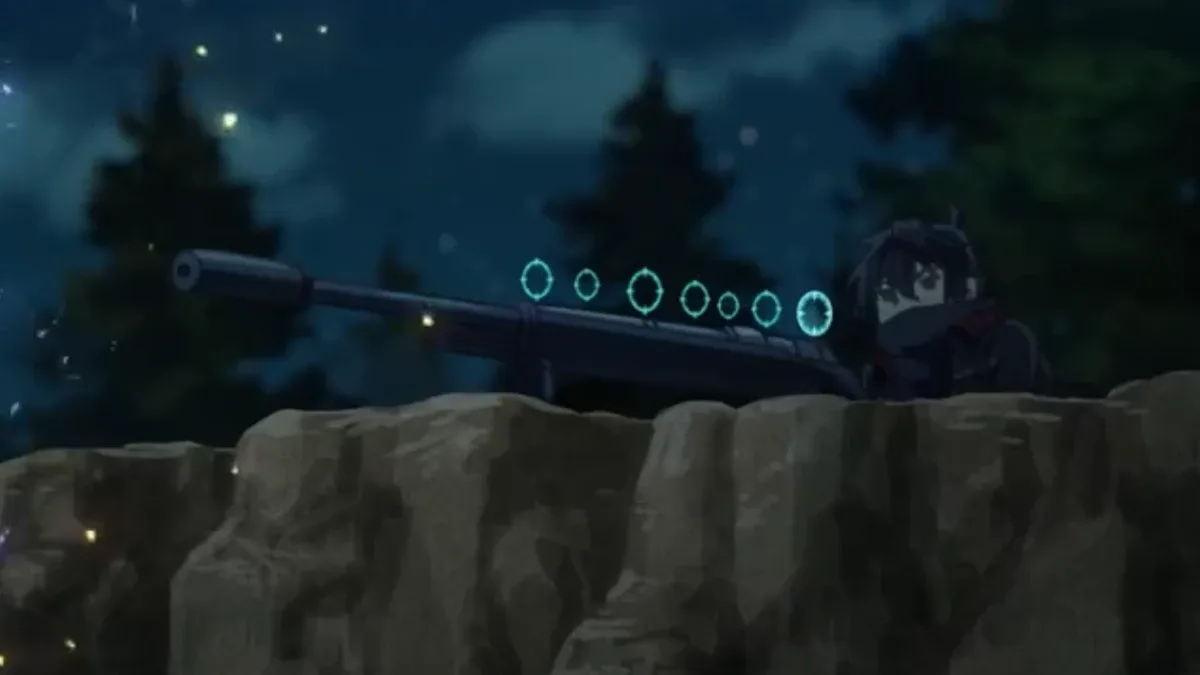
This is where the anime was at its best for me.
Lugh doesn't simply become another fantasy protagonist throwing fireballs everywhere.
He takes his knowledge from Earth and combines it with magic.
At first, he starts creating materials and experimenting with firearms.
Then we get rifles.
Then a sniper rifle.
Then magical explosives and weapons that basically function like grenade launchers.
And by the finale, this man decides ordinary weapons are apparently no longer enough and creates something close to an orbital kinetic bombardment.
That escalation was hilarious.
But it was also genuinely cool.
The anime understands that Lugh shouldn't fight like a normal fantasy hero. He was the greatest assassin in the world before reincarnating. Even after gaining powerful magic, his greatest weapon is still the way he thinks.
That becomes especially obvious during the fight against Setanta.
Setanta is ridiculously powerful. He has the Divine Treasure Gáe Bolg, incredible physical ability, and enough strength that Lugh knows he would probably get destroyed almost immediately in a normal duel.
So Lugh simply doesn't have a normal duel.
Because he isn't a knight.
He is an assassin.
The Story Is Actually Pretty Simple
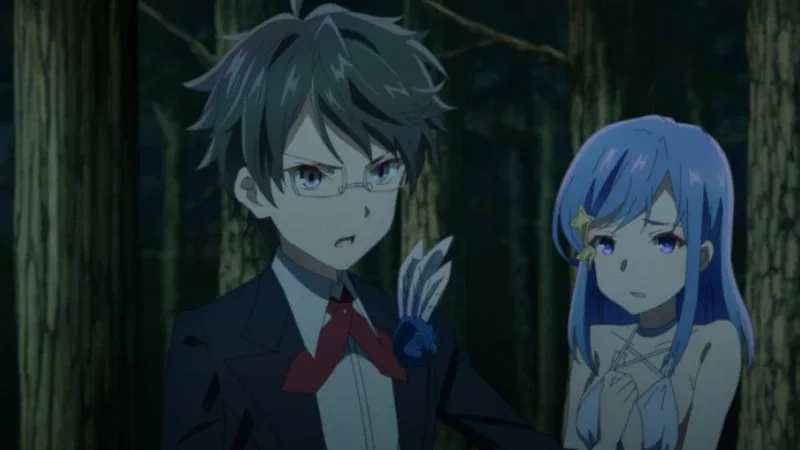
This is probably my biggest issue with Season 1.
For a story with the premise of assassinating a Hero who might eventually destroy the world, surprisingly little actually happens with that main mission.
A huge amount of the season is preparation.
Lugh trains with his family.
He learns magic with Dia.
He finds Tarte.
He creates the Ilig Balor identity.
He becomes a merchant.
He rescues Maha.
He builds Orna and creates an information network.
None of that is necessarily bad. I enjoyed most of it.
But I kept waiting for the story to become bigger.
The Goddess keeps reminding us about the Hero. She even reincarnates all kinds of ridiculous people in an attempt to deal with the problem.
Those scenes were honestly some of the funniest moments in the anime.
Specialists, warriors, a rapper, even a paparazzo.
The paparazzo spending decades preparing for his divine mission only to get killed by a random horse might be one of the funniest things in this entire season.
Still, the actual Hero storyline remains mostly in the background until the very end.
That made the season feel more like a long prologue than a complete story.
And Then There Is the Fanservice…
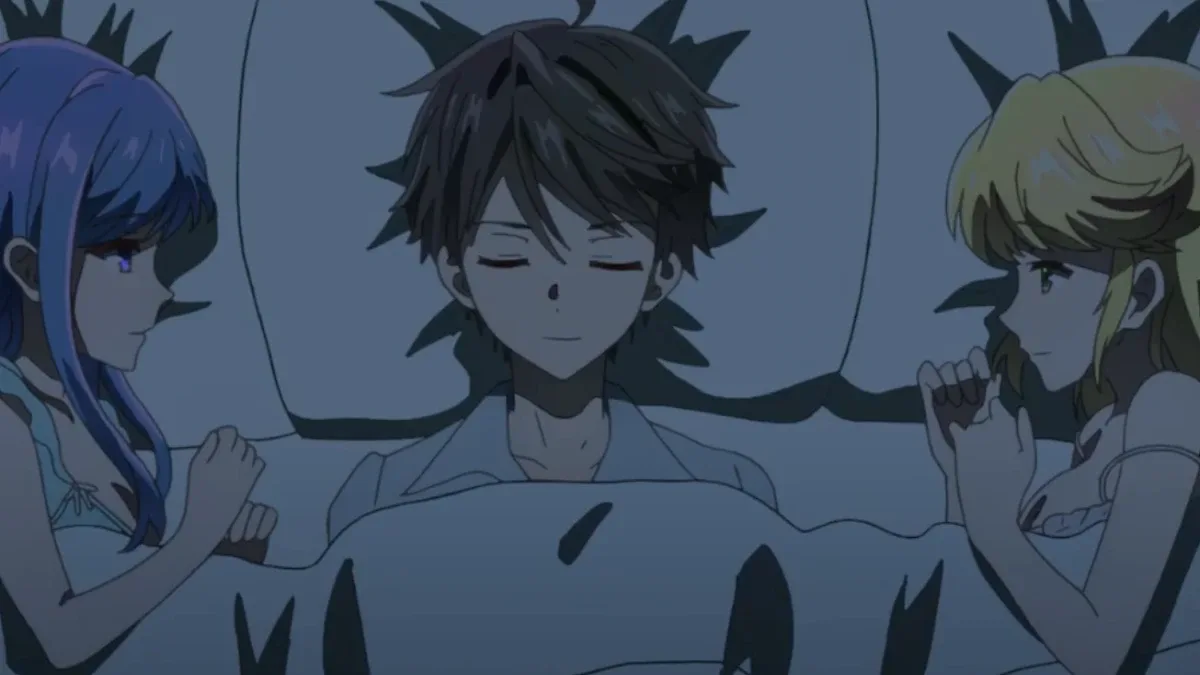
Yeah.
There is a lot.
Sometimes this anime jumps from a surprisingly serious scene directly into fanservice so quickly that the tonal whiplash becomes hilarious.
There are bathing scenes, awkward sleeping scenes, suggestive jokes, and multiple moments where I was sitting there thinking:
Why did we need this?
Some people probably won't care about it, but personally I thought the anime leaned into it far more than necessary.
It also feels stranger because Lugh and the girls are still very young during much of Season 1.
The funniest part is that the anime can genuinely produce a powerful emotional scene, a clever assassination sequence, or some interesting worldbuilding…
…and then five minutes later it remembers that apparently it also wants to be that kind of anime.
I don't hate fanservice existing in anime, but here it sometimes felt like it was fighting against the tone of the actual story.
Lugh’s First Real Assassination Finally Gives Him Some Depth
One of the moments I liked most comes after Lugh performs his first real assassination for the Tuatha Dé.
The actual kill is extremely professional.
But afterward, he sees the target's wife crying over the man he just killed.
And it affects him.
This is important because the old Lugh probably would have simply completed the mission and moved on.
His previous life was built around being the perfect tool.
His new life is different.
He has parents who love him.
He has Dia.
He has Tarte.
He has Maha.
He has people he genuinely cares about.
Lugh is becoming more human, and that means killing another human being now carries emotional weight.
I loved that Cian doesn't teach him to completely destroy that part of himself either.
Being an assassin doesn't mean he has to become a machine again.
Dia Becoming His Assassination Target Was the Best Twist
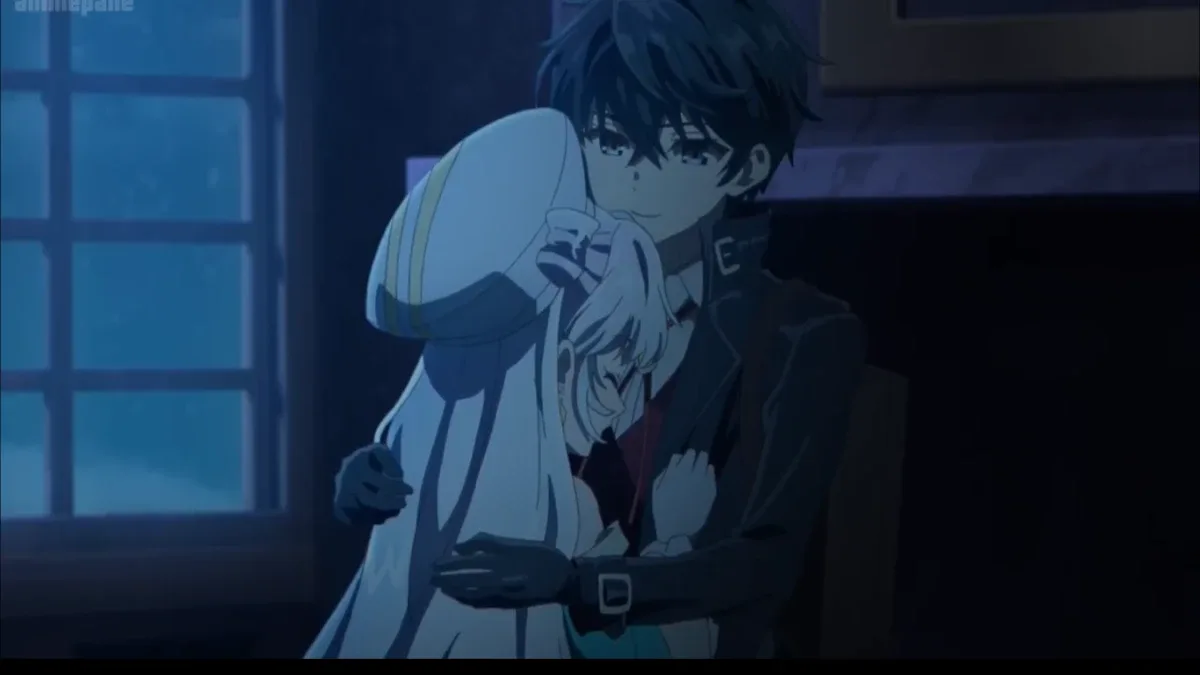
Then Episode 10 ends with one of the best hooks in the season.
Lugh's next assassination target is Dia.
That was the first time in a while where the story made me immediately want to know what the hell was happening.
Thankfully, there is much more behind the order.
Dia's family is trapped in a political conflict, and people loyal to House Viekone are willing to continue fighting to protect her. Her father eventually arranges for the Tuatha Dé to fake Dia's death and get her out safely.
Lugh accepts.
And I love why.
He isn't blindly following an order from the kingdom.
He is doing it because Dia matters to him.
Earlier, Lugh tells Cian that unlike his previous life, he will no longer blindly obey anyone. He will decide for himself whether a target deserves to die.
Now he finally gets tested on that belief.
The person he loves is technically his target.
So instead of becoming somebody else's weapon again, Lugh chooses what he wants to protect.
That was probably the strongest part of his character development in Season 1.
Setanta vs Lugh Was Exactly How an Assassin Should Fight
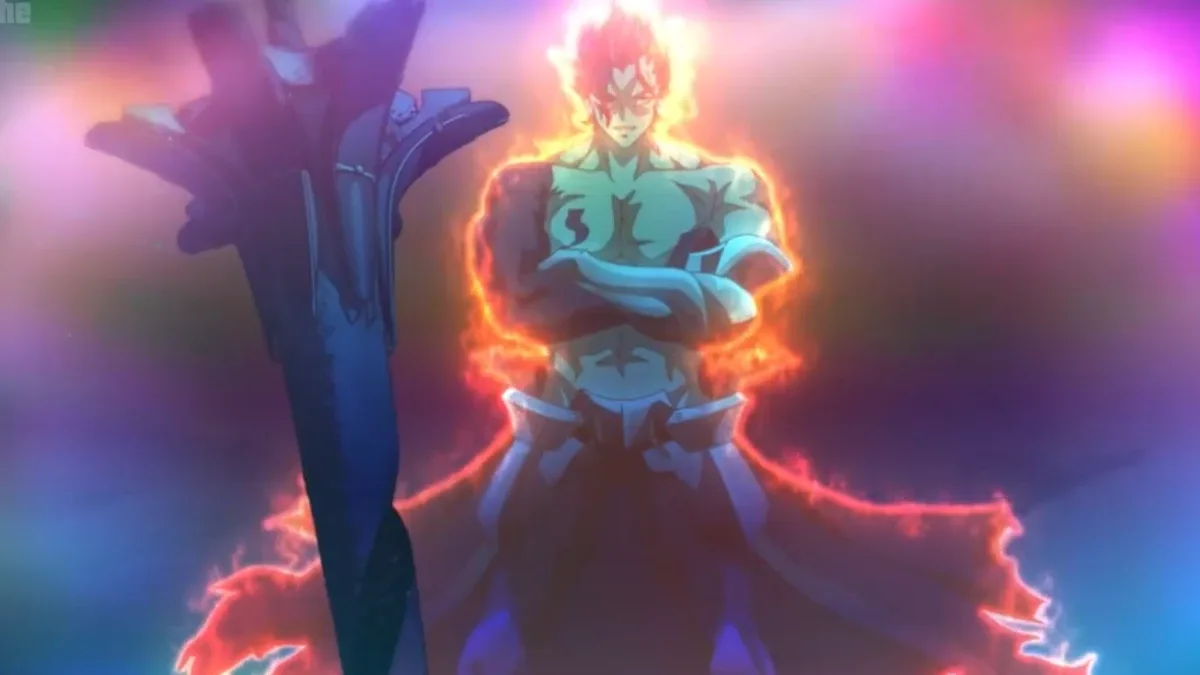
Then we get Setanta.
At first, everything screams that this guy might be the Hero.
He is ridiculously powerful.
He uses Gáe Bolg.
He possesses Berserk.
He is basically a walking army.
Setanta wants a proper fight.
Unfortunately for him, Lugh doesn't give a damn about having an honorable anime battle.
Lugh knows he cannot beat Setanta fairly.
So he cheats.
Beautifully.
He calculates the trajectory of a massive tungsten projectile and sends it down with enough force to turn the battlefield into something that looks like it got hit by a missile.
Gungnir was completely ridiculous.
And I loved it.
Setanta arrives expecting some legendary duel between powerful warriors.
Lugh basically responds:
I'm not a warrior. I'm an assassin.
Then he nukes him.
That might be the single best representation of this anime's concept.
Lugh doesn't need to become physically stronger than everyone he kills.
He needs enough information, preparation, intelligence, and ruthlessness to make sure the fight was already decided before his target realizes what is happening.
And Then the Ending Was… Kind of Dull
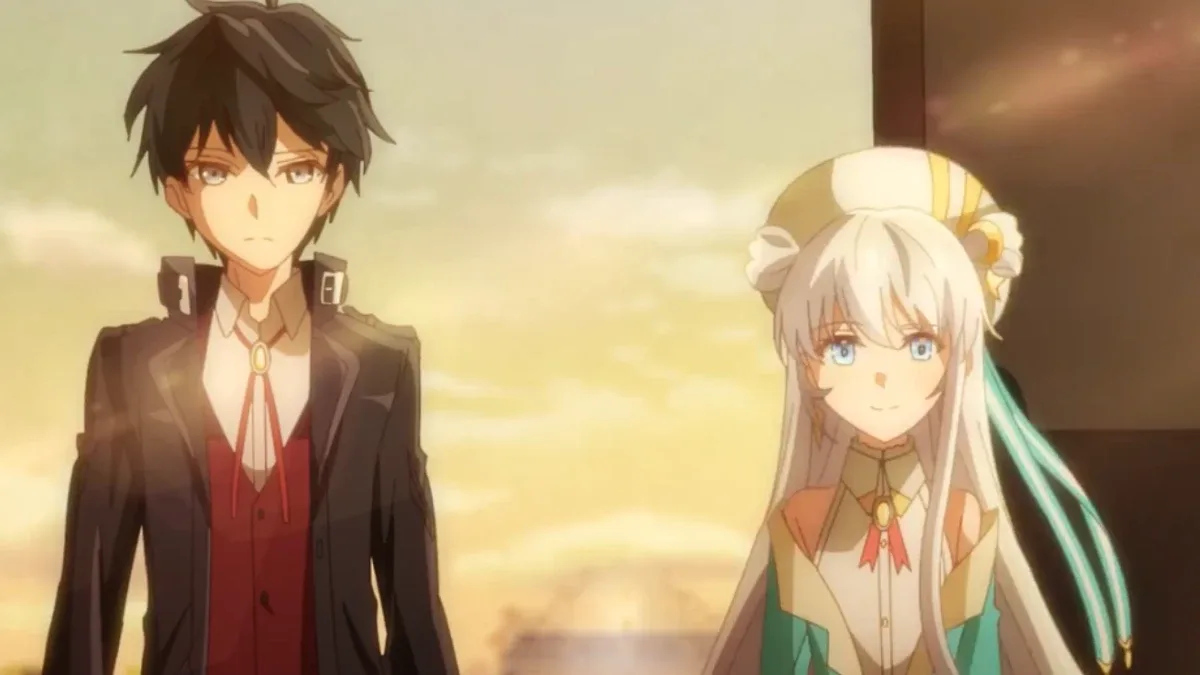
This is where I expected something bigger.
Lugh rescues Dia.
He brings her home.
She begins living with the Tuatha Dé family.
Everything becomes relatively peaceful again.
And I was sitting there thinking:
That's it?
After the entire season talking about killing the Hero, I genuinely expected Setanta to be the Hero and thought Lugh had already completed the impossible mission.
Nope.
Setanta wasn't the Hero.
The actual Hero, Epona Rhiannon, appears in the Alvan Kingdom right at the end.
So essentially, after twelve episodes…
the real mission is just beginning.
That reveal definitely made me curious about what happens next, but as a Season 1 ending, it didn't feel especially satisfying.
It felt more like:
Congratulations. Tutorial completed.
Now begin the actual story.
Final Verdict — Mid, but Enjoyable
That's probably the easiest way I can describe The World's Finest Assassin Gets Reincarnated in Another World as an Aristocrat.
It's mid.
But it is enjoyable.
I don't mean “mid” as if the anime is terrible. I had fun watching it.
Lugh is an interesting protagonist when the story actually focuses on his assassin mentality. His family is surprisingly lovable. Dia, Tarte, and Maha all bring something different to his life. The Goddess scenes are hilarious, and watching Lugh slowly transform fantasy magic into increasingly ridiculous modern weapons is genuinely entertaining.
There are also some surprisingly emotional moments, especially Lugh realizing the consequences of assassination and Tarte quietly crying after helping him reach Dia.
But the story itself remains fairly simple.
There is too much fanservice for my taste, the pacing sometimes skips through character development too quickly, and the entire first season feels like preparation for a Hero storyline that doesn't actually begin until the final minutes.
Still, I never really felt bored enough to stop watching.
And when Season 2 eventually continues Lugh's story, I'll probably watch it.
Because apparently all somebody has to tell me is:
“Remember that reincarnated assassin who dropped a tungsten rod from the sky onto a guy carrying a legendary spear?”
Yeah.
Fine.
I'm watching.
My Rating: 6.9/10
Not amazing. Not terrible.
Just a weird, sometimes wholesome, sometimes horny, occasionally badass fantasy anime that somehow turned an assassin into a magical weapons engineer.
And honestly?
I had fun.
0 Comments