
The Great Anime Shift: How Anime Went From Being Mocked to Becoming Mainstream
Imagine being laughed at in school just because you watched anime. Twenty years ago, that was a reality for many fans. Today, the same people who once mocked anime are binge-watching the latest hit series. What changed? Fans call this transformation "The Great Anime Shift."

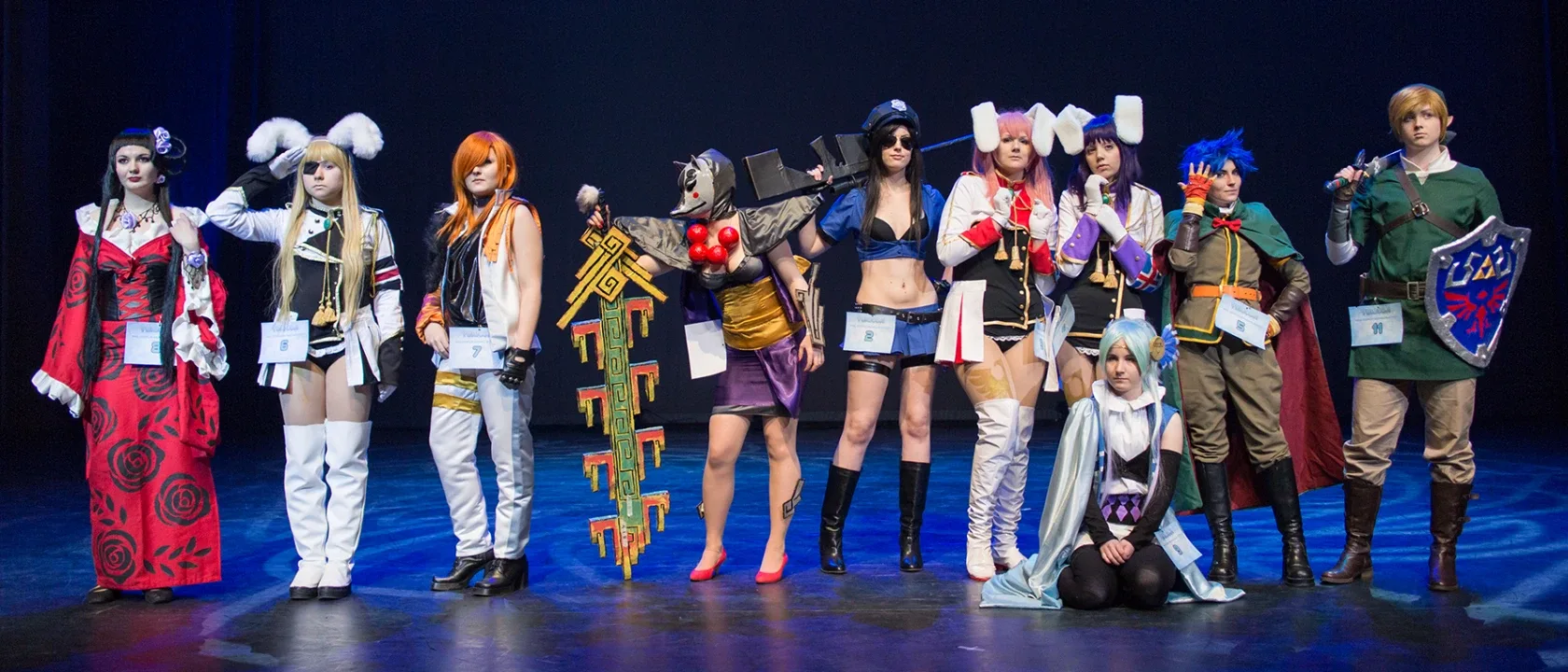
When Anime Was Considered "Weird"
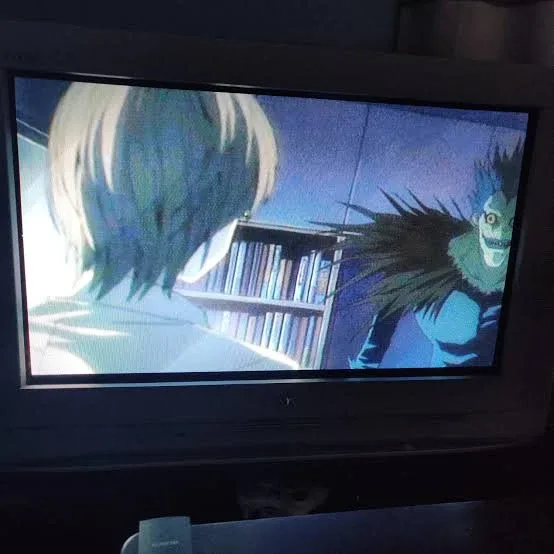
In the late 1990s and early 2000s, anime was often viewed as something only a small group of people enjoyed. Outside of countries where anime had already become popular, many people simply did not understand it.
Anime fans frequently heard comments like:
"Cartoons are for kids."
"Why are you watching Japanese cartoons?"
"That's weird."
Many fans avoided discussing anime at school or work because they worried about being judged. Finding new series was also much harder. DVDs were expensive, TV broadcasts were limited, and legal streaming barely existed.
Being an anime fan often meant being part of a small community rather than a worldwide movement.
The Internet Changed Everything
The biggest reason for the Great Anime Shift was accessibility.
As high-speed internet became common, fans could discover shows through online communities, YouTube clips, discussion forums, and eventually streaming platforms.
Instead of waiting months for DVDs or television broadcasts, viewers could watch new episodes shortly after they aired.
This allowed anime communities to grow faster than ever before.
Social Media Made Anime Cool
Platforms like YouTube, TikTok, Instagram, and X exposed anime to millions of new viewers.
Epic fight scenes, emotional moments, memes, and fan art spread across social media every day.
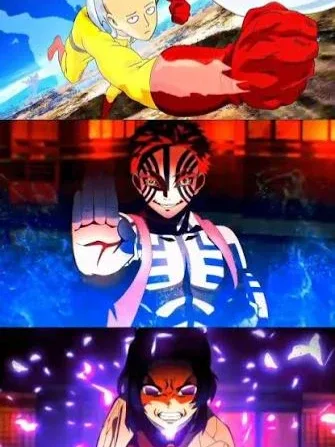
Someone who had never watched anime could see a short clip from Attack on Titan or Demon Slayer and become interested immediately.
Anime stopped being hidden inside niche communities and became part of everyday internet culture.
Blockbuster Anime Changed Public Opinion
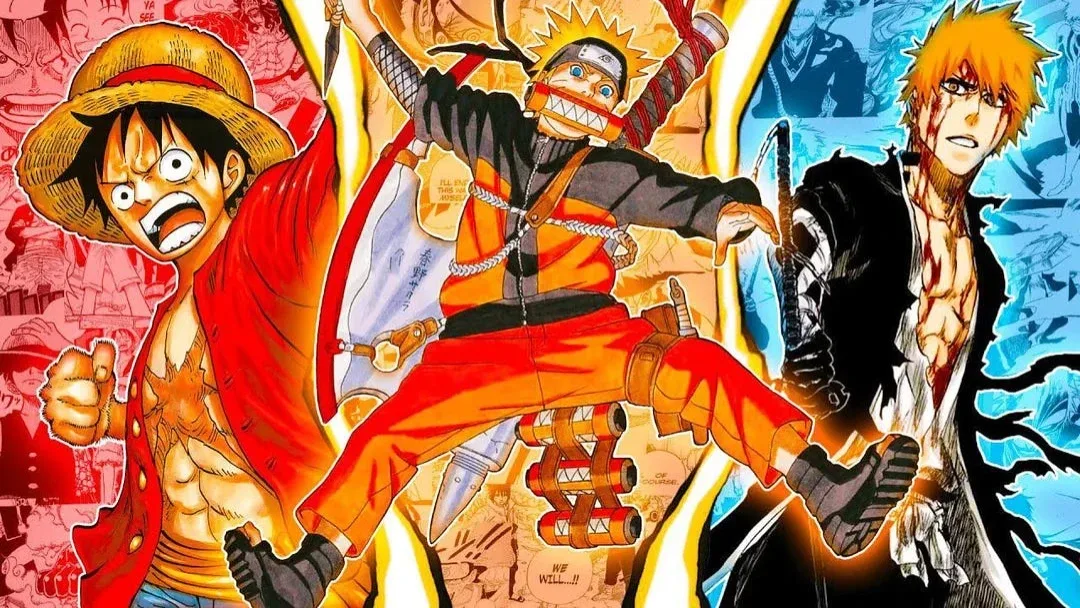
Several series helped introduce anime to audiences who had never considered watching it.
Shows like:
Attack on Titan
Demon Slayer
Jujutsu Kaisen
One Piece
Spy × Family
proved that anime could compete with some of the biggest television productions in the world.
These shows attracted viewers of every age, including people who once claimed they would never watch anime.
The Fans Who Once Mocked Anime
One of the most interesting parts of the Great Anime Shift is that many people who once laughed at anime eventually became fans themselves.
This happened for several reasons.
Some gave anime another chance after recommendations from friends.
Others discovered that anime tells stories far beyond children's entertainment, covering mystery, sports, romance, history, psychology, science fiction, and complex human emotions.
Many realized their earlier opinions were based on stereotypes rather than experience.
The result was a surprising reversal: people who once criticized anime started recommending it to others.
Why Anime Became So Popular
Anime's success did not happen by accident.
Several factors worked together:
Better internet access.
Global streaming services.
Strong storytelling.
High-quality animation.
Active online fan communities.
Social media exposure.
Growing acceptance of geek culture.
Together, these changes transformed anime from a niche interest into mainstream entertainment.
Is the Great Anime Shift Complete?
Not entirely.
Some people still think anime is only for children or dismiss it without giving it a chance.
However, compared to twenty years ago, the difference is remarkable.
Anime is now discussed alongside Hollywood films and major television series. It fills convention centers, dominates streaming charts, inspires fashion trends, and influences music, gaming, and art around the world.
Final Thoughts
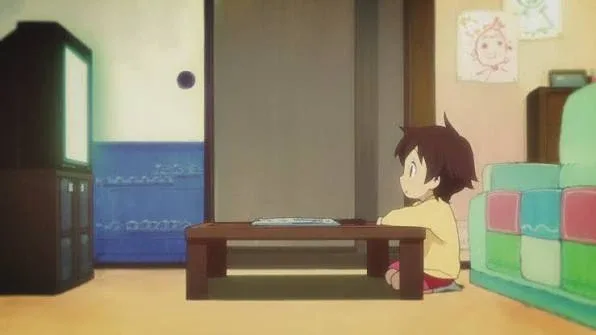
The Great Anime Shift is more than just anime becoming popular. It represents a change in how people view entertainment, creativity, and fandom.
What was once considered unusual is now celebrated by millions.
Perhaps the biggest lesson is this: today's "weird hobby" can become tomorrow's global phenomenon. Anime proved exactly that.
0 Comments