
Death Is the Only Ending for the Villainess Review: Penelope’s Story Is Absolute Peak
A spoiler-filled review of Death Is the Only Ending for the Villainess and Penelope’s unforgettable journey through survival, romance, betrayal, and ancient magic. From Callisto and Eclis to the Eckart family and Yvonne, here’s why this emotional villainess manhwa became one of my favorites.
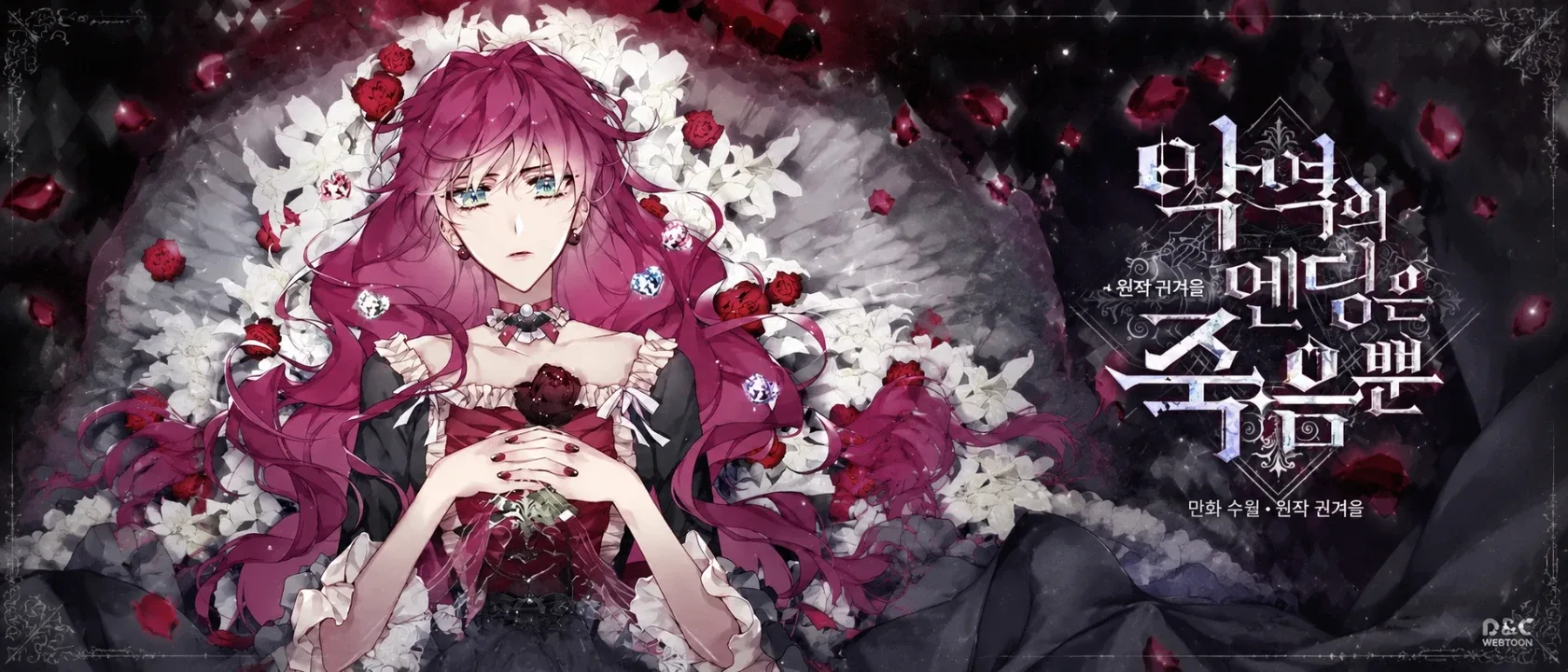
Spoiler Warning: This review contains major spoilers for the entire main story of Death Is the Only Ending for the Villainess, also officially known as Villains Are Destined to Die. If you have not finished the manhwa yet, I strongly recommend reading it before continuing.
I finally finished Death Is the Only Ending for the Villainess, and I can comfortably say that this manhwa became one of my favorite villainess stories.
It is not perfect, and there were definitely moments when characters annoyed me, certain plot developments frustrated me, and I wondered why Penelope kept getting dragged into another disaster just when things finally seemed to be improving. However, none of those problems stopped me from wanting to read the next chapter.
In fact, the opposite happened. The further I went, the harder it became to stop.
I originally expected a relatively familiar villainess setup. A woman wakes up inside a game as the villainess, discovers that nearly every route can lead to her death, and has to somehow survive until she can escape. That is technically what this story begins as, but by the final chapters it has become something far more ambitious.
We eventually get betrayal, obsession, ancient magic, broken souls, repeated timelines, manipulated memories, war, a resurrected dragon and a protagonist forced to decide which world she actually wants to call home.
Through all of that chaos, the most important part of the story remains Penelope herself.
Penelope Is the Reason This Story Works
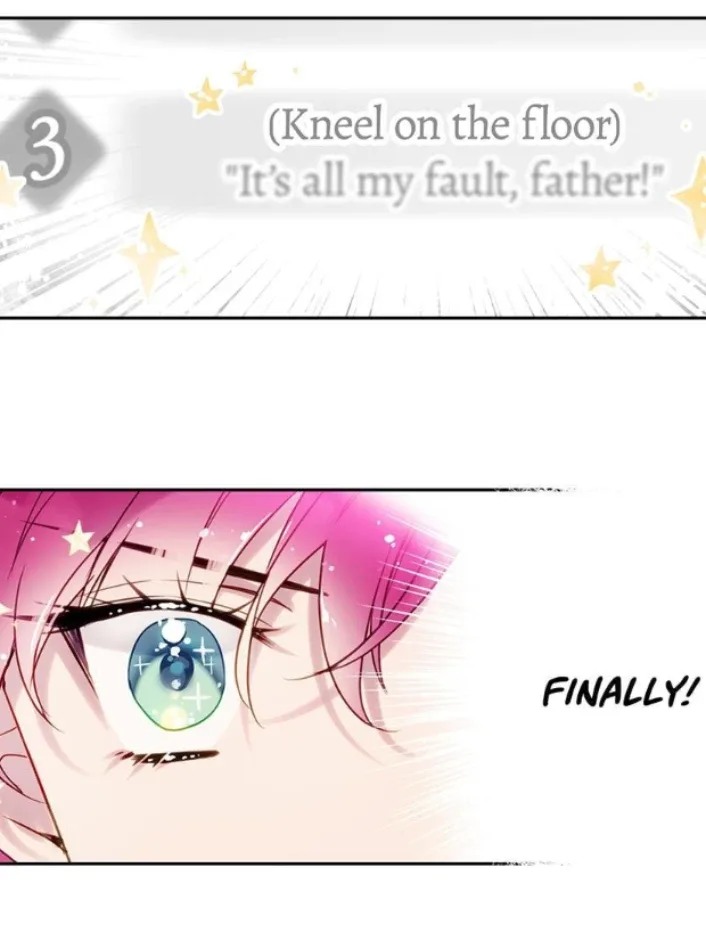
Penelope is not compelling because she is always kind, morally correct or easy to agree with. She is compelling because she behaves like someone who genuinely believes her life could end if she makes the wrong decision.
When Penelope enters this world, she does not immediately see the people around her as real relationships waiting to be developed. She sees possible routes, affection percentages, dangerous choices and potential ways to escape. Her objective is not to fall in love with one of the male leads. Her objective is to survive long enough to return home.
That mindset explains many of Penelope's colder decisions, especially her treatment of Eclis. She deliberately chooses him because she believes he may be the easiest route to complete. She tries to increase his affection because she desperately needs someone to reach one hundred percent.
In other words, Penelope is using him.
The story does not completely hide that fact, and I appreciate it. Penelope is not written as a perfect heroine who enters a deadly world and somehow remains endlessly kind to everyone. She is frightened, calculating and sometimes selfish because she believes her survival depends on it.
That makes some of her decisions uncomfortable, but it also makes her feel much more human.
The Poison Scene Changed How I Saw Penelope
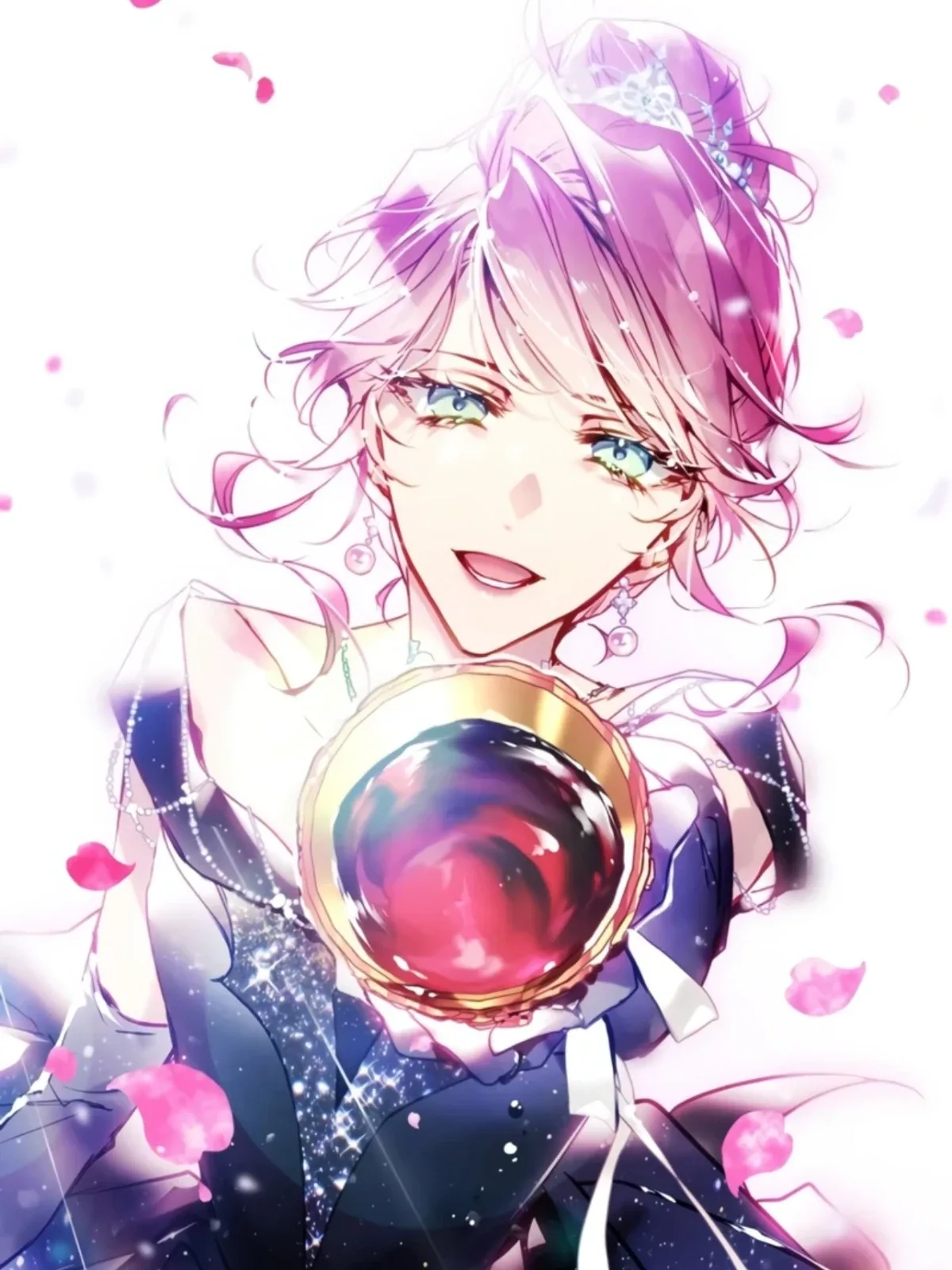
One of the strongest Penelope moments for me was the poison scene. By that point, she had already survived humiliation, dangerous relationships, constant suspicion and the knowledge that Yvonne could return at any moment and destroy everything she had managed to build.
When Penelope drinks the poison, the scene does not feel like another simple death flag. It feels like someone who has become completely exhausted from fighting.
As readers, we move through hundreds of chapters quickly, but Penelope has been living inside this situation for a much longer period. She has spent years questioning whether people's affection is genuine, worrying about death routes and treating normal human interaction like a survival test.
Eventually that kind of pressure has to break someone.
The poison scene was one of the moments where I stopped thinking about Penelope as a player trying to beat a game and started thinking about how exhausted she must actually be.
Callisto Went From Dangerous Lunatic to My Favorite Match for Penelope
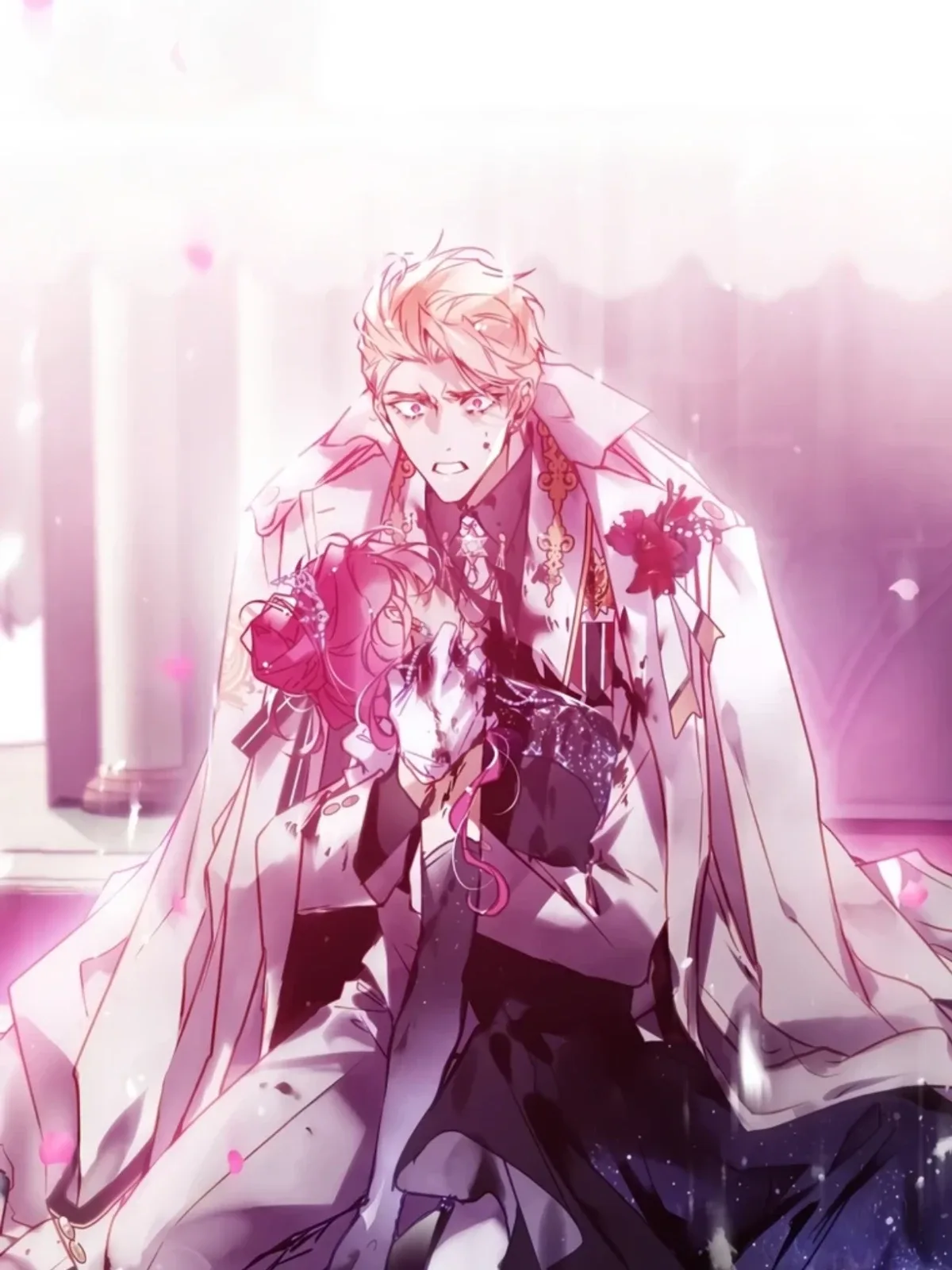
I did not immediately look at Callisto and think that he was obviously the perfect person for Penelope. Their first meeting is almost absurd when you think about it.
Penelope is already desperately trying not to die, and then she encounters the Crown Prince, a man famous for being dangerous and unpredictable. Instead of receiving some comforting romantic introduction, she gets another person who looks perfectly capable of ending her life.
That terrible beginning is part of what makes their eventual relationship so enjoyable.
Penelope and Callisto do not immediately trust each other. Their conversations often feel like two dangerous people testing how far they can push the other person. They argue, threaten each other and constantly create chaotic situations.
Slowly, however, they begin seeing beyond each other's reputations.
Callisto begins understanding that Penelope is not simply the terrible woman everyone describes. Penelope begins understanding that Callisto is more than the violent Crown Prince everyone fears.
Their relationship grows through actual experiences together rather than simply because the story labels him as a romance option.
The Hunting Festival Was Important, Even When It Frustrated Me
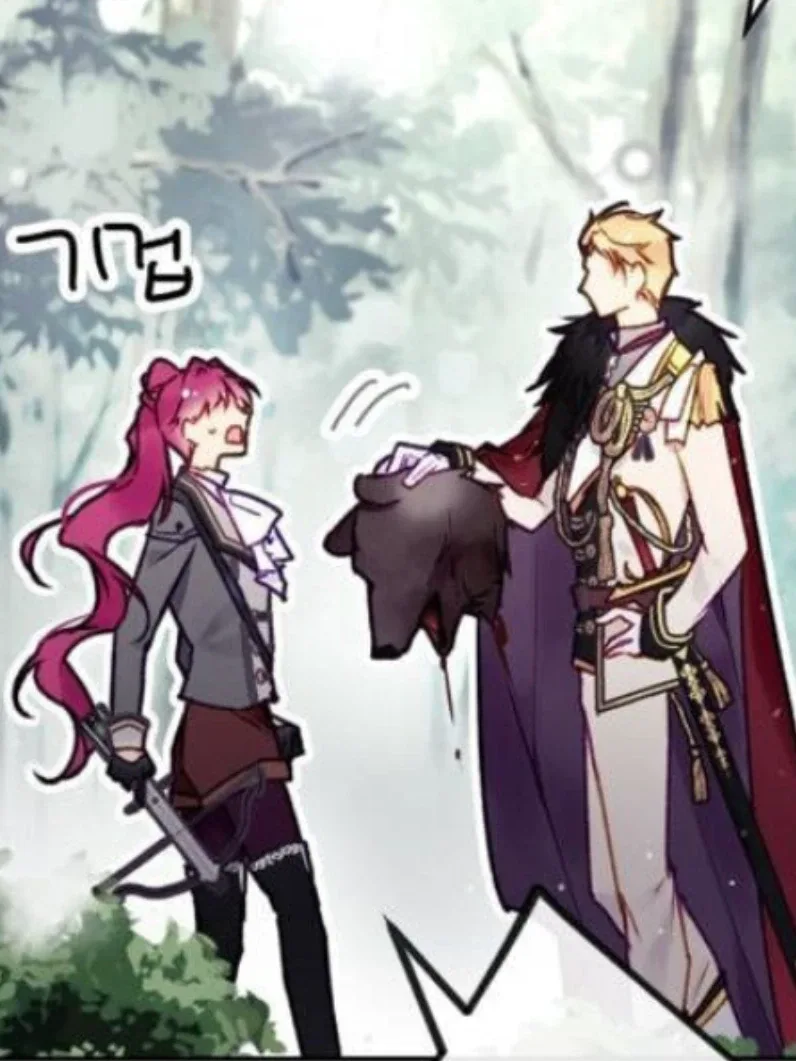
The hunting festival is one of the sections where I had mixed feelings. Some parts were exciting, while other moments felt like the story was deliberately throwing Penelope into another dangerous situation because she apparently was not suffering enough already.
However, it is also an important section for Penelope and Callisto because their relationship begins developing through shared danger.
Their romance never feels like a normal relationship built around peaceful dates and easy conversations. Their connection develops while both of them are surrounded by threats, political problems and misunderstandings.
That strange foundation actually suits them.
The more time they spend together, the more Penelope begins acting like herself instead of constantly selecting the safest possible response.
That difference became one of the biggest reasons I eventually started supporting Callisto.
Callisto Coming Through the Chimney Was Perfect
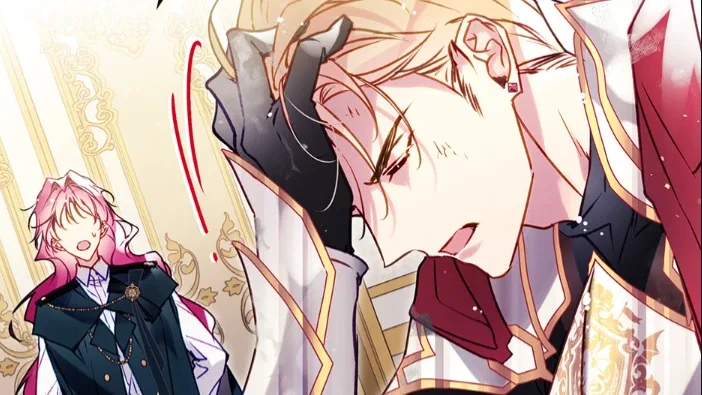
One of my favorite funny moments arrives during a section of the story that is otherwise becoming extremely serious. Penelope has been kidnapped again, political chaos is getting worse and everything is moving toward the final conflict.
Then Callisto comes through a chimney to rescue her.
That moment perfectly summarizes why I enjoy him so much. Callisto can be genuinely intimidating during one scene and unintentionally hilarious during another without suddenly feeling like a completely different character.
The manhwa becomes extremely dark during its later chapters, so little moments like this prevent everything from becoming emotionally exhausting.
By this stage, I was already completely invested in Penelope and Callisto together.
Their Confession Became One of My Favorite Romantic Moments
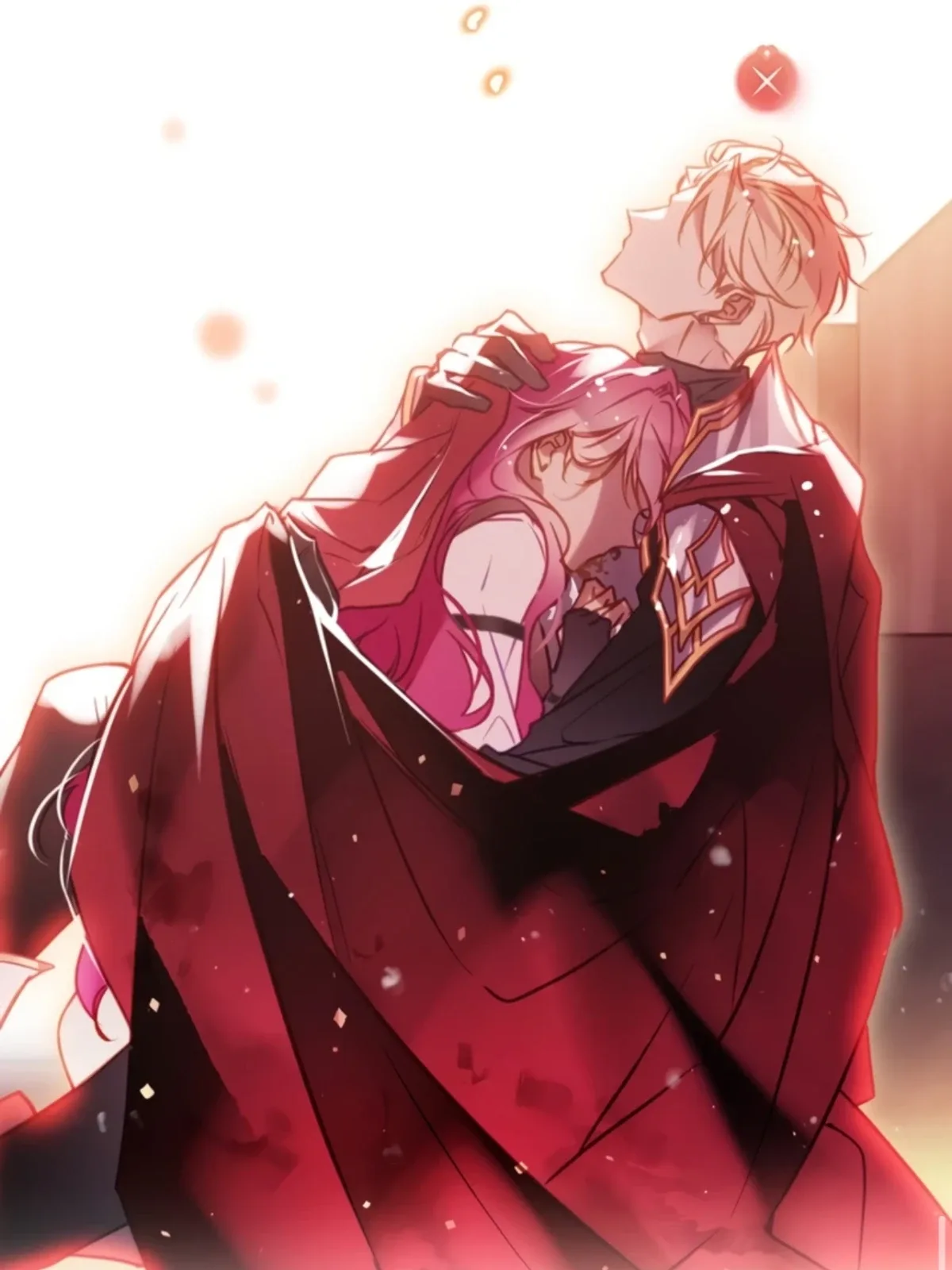
Their confession became one of my favorite romantic scenes in the manhwa because it feels earned rather than inevitable.
Penelope spends most of the story treating affection as something measurable. Love is connected to percentages, survival and possible escape routes. That makes every relationship uncomfortable because she can never completely separate genuine emotion from game mechanics.
With Callisto, that gradually changes.
Their relationship becomes something Penelope actually wants rather than something she needs to complete.
By the time their feelings become explicit, I was completely supporting them. My biggest fear was no longer whether Callisto would become Penelope's final romantic partner. My biggest fear was whether Penelope would eventually receive the opportunity to return to the real world and leave him behind.
That possibility followed me through almost the entire final arc.
Eclis Made Me Change My Opinion Over and Over Again
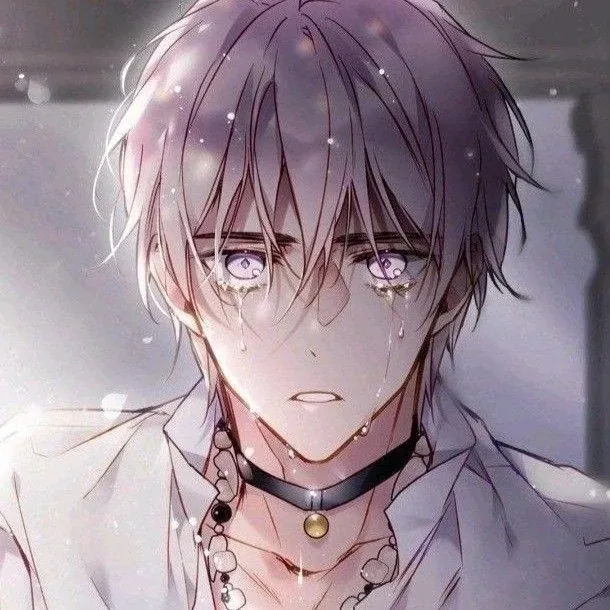
Eclis might be the character whose storyline changed my feelings more than anyone else's.
At the beginning, I actually felt sorry for him. Penelope purchases him, studies his possible affection level and deliberately tries to make him emotionally dependent on her because she believes he represents her safest way out of the game.
That is an incredibly unhealthy beginning to any relationship.
Penelope understands that she is manipulating him, even if she believes she has no better option. Eclis is already vulnerable, isolated and dependent on her, which makes everything that follows even more uncomfortable.
Then his feelings begin turning into obsession.
That is when my sympathy started becoming frustration.
Every Good Plan Somehow Became an Eclis Disaster
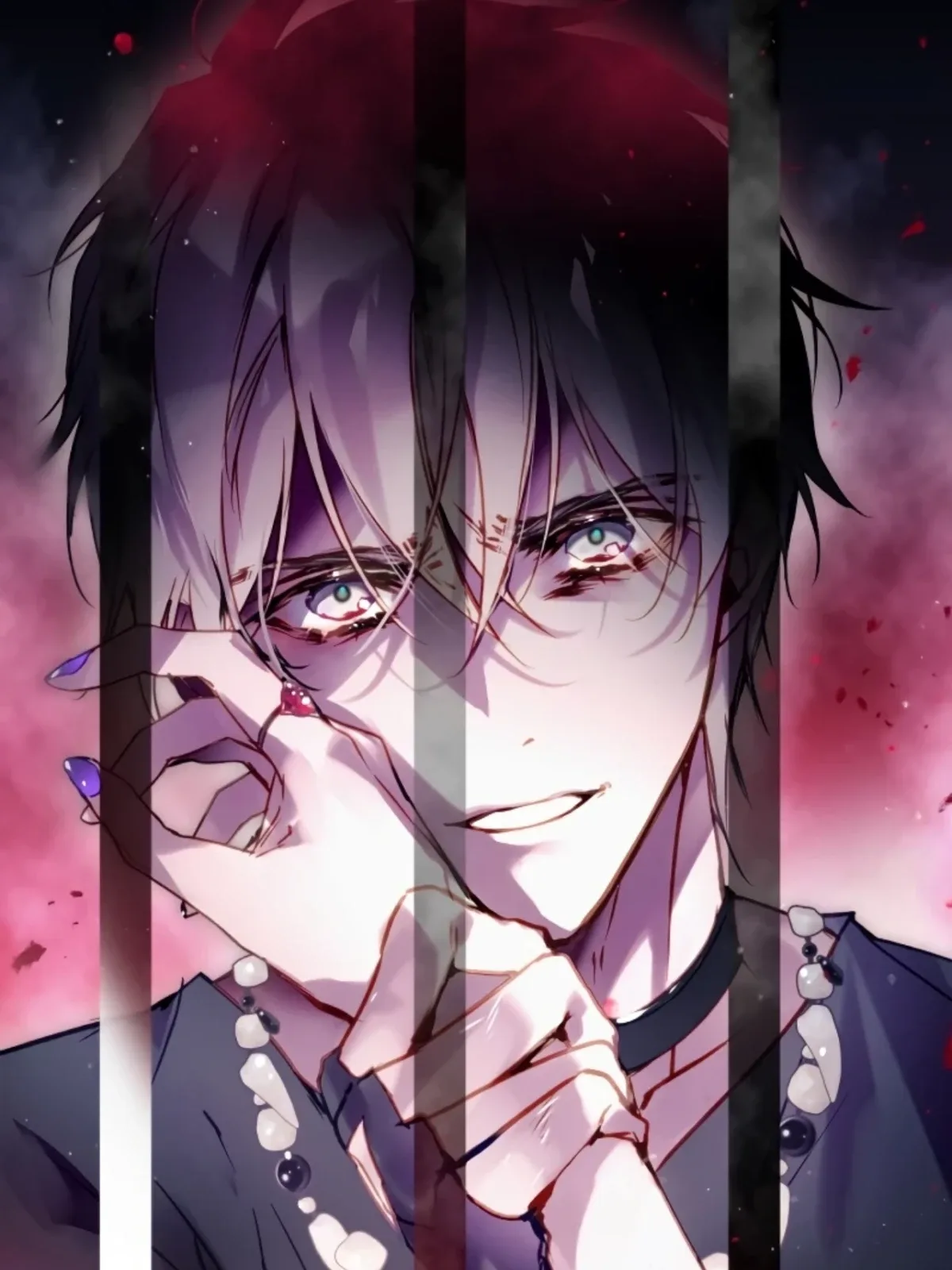
There was a point where it almost became predictable. Penelope would finally develop a decent plan, something would begin working, and then Eclis would appear and somehow make everything worse.
His decision to bring Yvonne back was one of the biggest moments where my opinion of him completely changed.
Later, he kidnaps Penelope, becomes increasingly possessive and reaches a point where he essentially says that he wants her even if she becomes nothing more than an empty shell.
That is no longer healthy love.
It is possession.
However, I still find it difficult to reduce Eclis to a simple villain because Penelope absolutely contributed to the situation. She intentionally created emotional dependence because she believed his affection could save her life.
That does not excuse his later actions, but it makes their relationship tragic rather than simple.
They hurt each other in completely different ways.
Eclis Saving Penelope Made His Ending Hurt
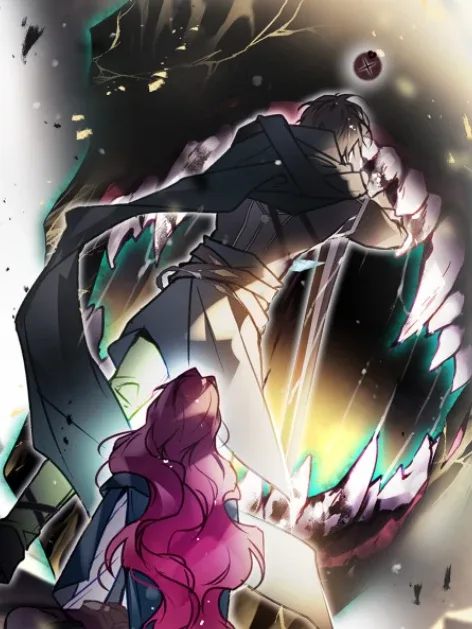
After spending so many chapters frustrated whenever Eclis appeared, watching him protect Penelope from the resurrected dragon genuinely hurt.
His sacrifice does not erase everything he did. It does not suddenly make his obsession romantic, and it does not undo his betrayals.
What it does is remind us that Eclis was never completely empty.
There was genuine feeling buried underneath everything that became twisted and destructive.
That moment brought me back to the beginning, when I originally felt sorry for him because of the way Penelope was using him.
Their relationship feels doomed from the moment it starts. Penelope needs Eclis as a route to survival, while Eclis eventually needs Penelope in a way that she can never satisfy.
Neither of them can give the other person what they actually need.
That makes Eclis one of the saddest characters in the entire story for me.
Vinter Became Much Sadder After I Understood the Timelines

Vinter frustrated me for a long time because he constantly seemed unable to trust Penelope completely.
There were several moments where I wanted him to simply believe her rather than treating her with suspicion.
Then the story reveals what happened across the repeated timelines, and suddenly his entire character feels different.
Vinter has been carrying the consequences of earlier choices while repeatedly trying to create a future where everything finally goes correctly.
He keeps trying again.
Then again.
Then again.
His feelings for Penelope eventually started feeling like a kind of incomplete and eternal love. There is something deeply sad about caring about someone while repeatedly living through worlds where things never fully work out.
The purple affection color becomes much more meaningful once you understand what Vinter has experienced.
Unlike Eclis, whose attachment becomes possessive, Vinter's feelings eventually contain a kind of acceptance.
That makes his story quietly painful.
Reynold Surprised Me More Than I Expected

Reynold is interesting because my feelings toward him changed much more gradually than they did with Derrick or Eclis.
Early in the story, he is another person who makes Penelope's position inside the Eckart family miserable. He is immature, confrontational and often reacts to Penelope based on the reputation she already has rather than trying to understand her.
Because we experience the story from Penelope's perspective, it is very easy to become angry with him.
However, Reynold also develops in a way that feels more natural to me than Derrick.
As the story continues, he gradually begins recognizing Penelope as his sister rather than simply seeing her as the troublesome adopted daughter who replaced Yvonne.
He still says foolish things and can be incredibly immature, but his concern for Penelope eventually feels much more genuine.
What I liked about Reynold is that his development does not require him to become a completely different person. He remains loud, emotional and sometimes ridiculous, but his relationship with Penelope changes because his understanding of her changes.
Among the Eckart brothers, Reynold became the one I found much easier to forgive.
That does not mean Penelope should forget everything that happened before. Reynold contributed to the environment that made her feel unwanted, and later affection cannot magically erase that.
Still, compared with Derrick, Reynold at least feels like someone who genuinely learns how badly he misunderstood Penelope.
Derrick Tested My Patience More Than Anyone Else
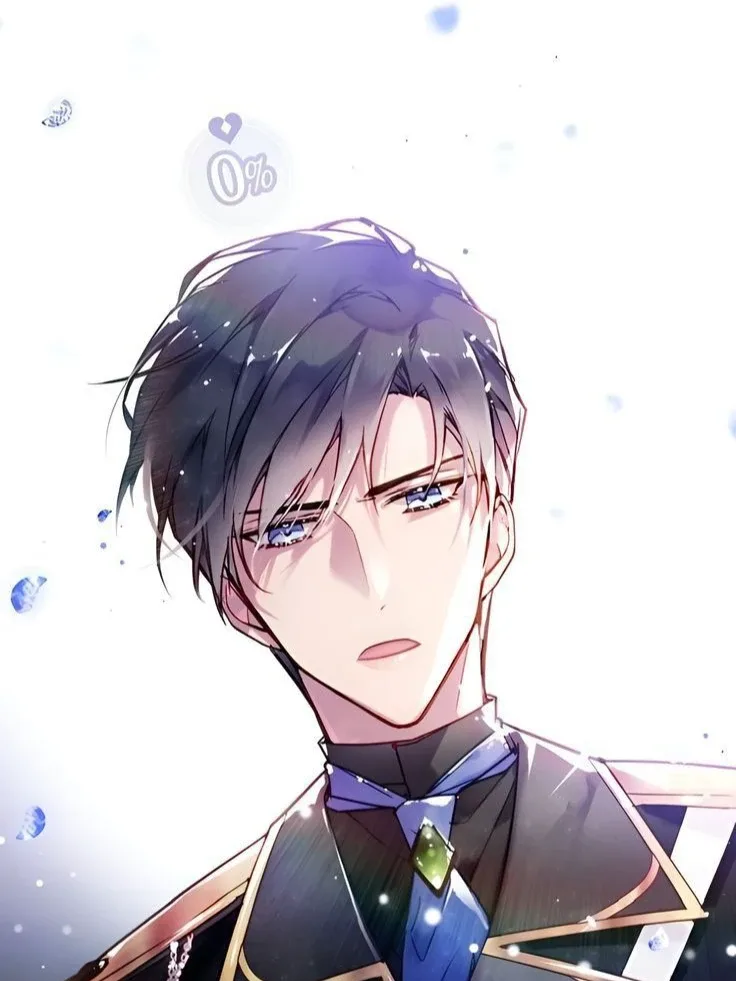
Then we have Derrick.
This man tested my patience constantly.
His relationship with Penelope becomes uncomfortable because his emotions toward her often seem much more complicated than the normal relationship between siblings should be.
The moment that frustrated me most was Penelope's coming-of-age ceremony.
After everything Penelope fears about Yvonne returning, Derrick brings Yvonne directly to Penelope's ceremony.
Of all the decisions he could possibly make, he chooses that one.
His ability to recognize what is happening around Yvonne also becomes increasingly frustrating. By the time Derrick finally understands that something is seriously wrong, practically everything has already collapsed.
I kept wondering how someone could be standing so close to the problem while taking so long to recognize it.
Unlike Reynold, whose development gradually made me warmer toward him, Derrick remained one of the characters who irritated me most.
He is not completely without complexity, but understanding him did not automatically make me like him.
The Eckart Family Cannot Simply Erase What Happened
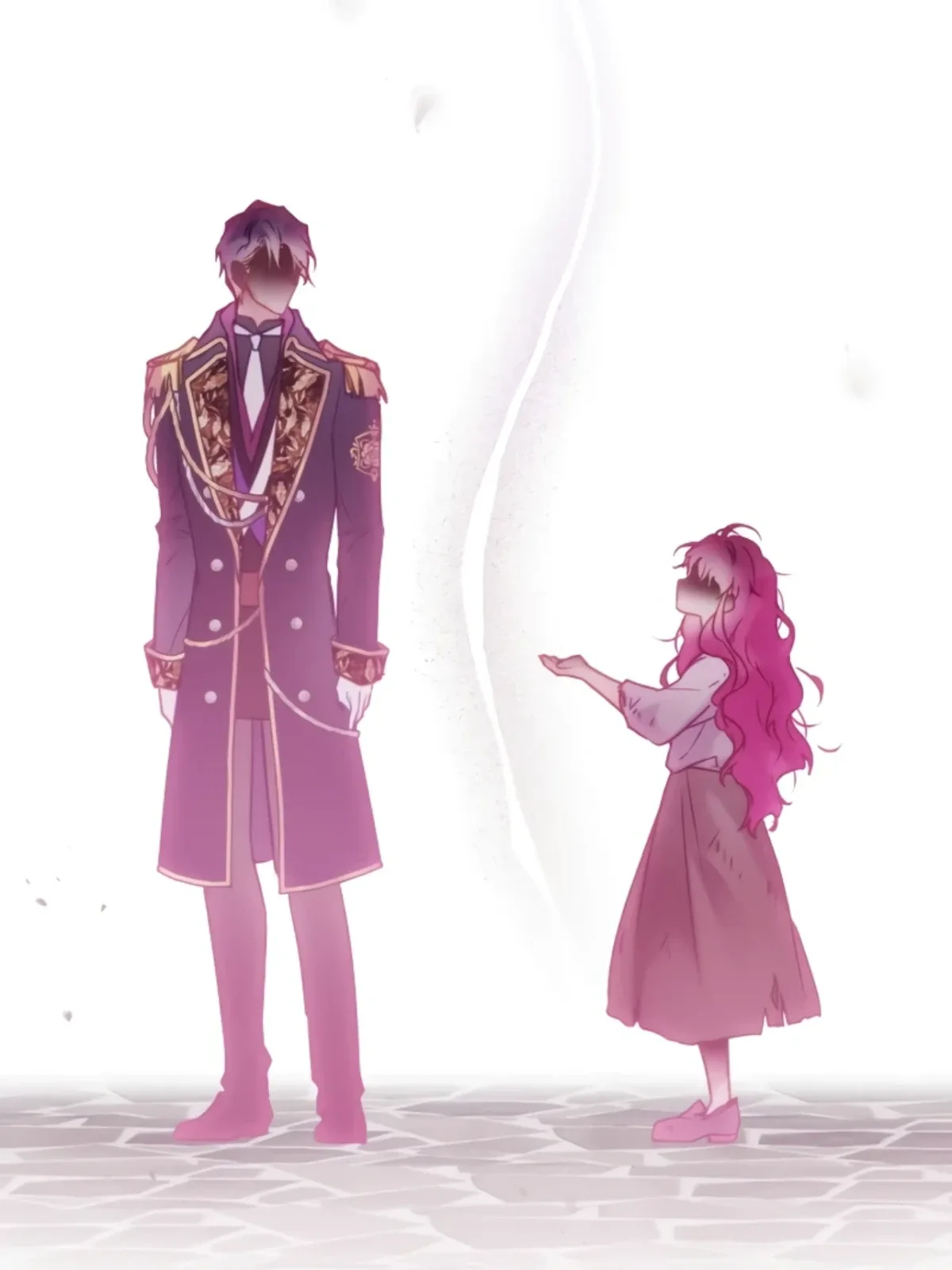
The Eckart family is one of the most complicated parts of the story because there is no easy answer about whether they deserve forgiveness.
They eventually care deeply about Penelope.
That is obvious.
However, their later concern cannot erase the environment Penelope lived in for years.
Their treatment of her contributed directly to the person she became. Penelope learned to expect hostility, protect herself emotionally and assume that affection could disappear whenever someone more important appeared.
That history matters.
Reynold improves significantly. Duke Eckart eventually demonstrates how much he cares. Derrick also changes, even if his behavior remains frustrating.
Still, Penelope does not owe them immediate emotional forgiveness simply because they finally understand what she means to them.
That is why I prefer thinking about the Eckarts as a damaged family trying to change rather than calling their storyline a simple redemption arc.
One of the funniest examples of how far Duke Eckart has changed comes near the end, when I initially thought he had been kidnapped. Instead, this man was basically forcing his way through the ground trying to reach Penelope.
It genuinely looked like he was swimming through soil.
The scene made me laugh, but underneath the comedy there is something meaningful. The father who once failed Penelope is now literally crawling through the earth to reach her.
Yvonne Turns the Original Heroine Concept Into a Nightmare
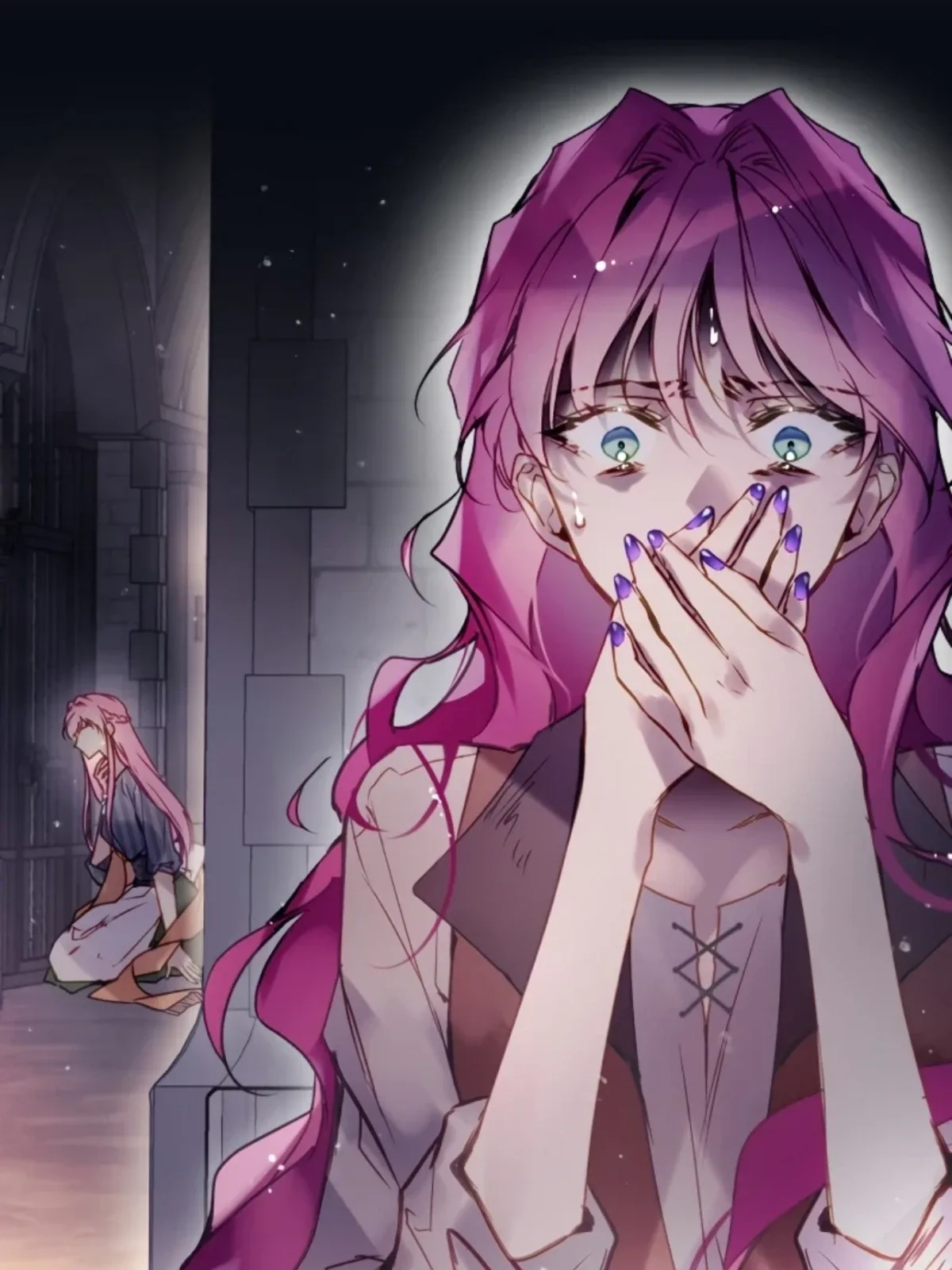
When Yvonne first returned, something immediately felt wrong.
One small detail made me especially suspicious. Penelope touches her and notices that she feels unusually cold, almost like a corpse.
That immediately made me wonder whether the real Yvonne was already gone.
From there, everything becomes increasingly disturbing.
We learn about the blue fragments, manipulated memories and the strange influence Yvonne has over the people around her.
Characters begin behaving differently, perceptions become unreliable and the supposedly returning heroine becomes the center of something much larger than another romantic rivalry.
That was when I realized this story was no longer interested in simply reversing the usual heroine-and-villainess roles.
Yvonne is connected to the deeper history of the entire world.
This Story Stopped Being Just a Dating Game
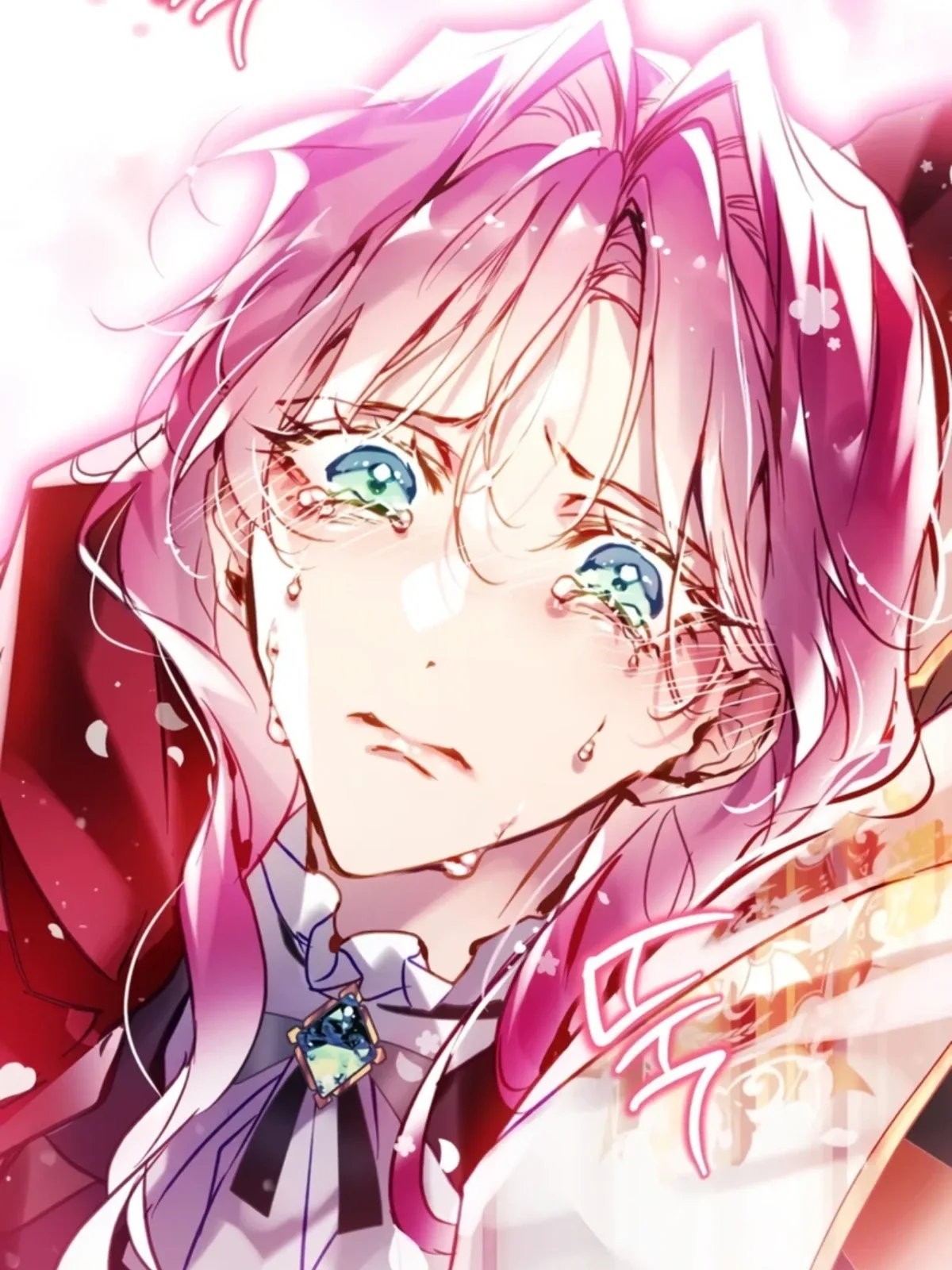
The biggest surprise for me was how dramatically the scale of the story changed.
At the beginning, the concept is simple enough. Penelope is trapped inside a dating game and needs to survive.
By the final arc, we are dealing with ancient mages, soul fragments, multiple worlds, repeated timelines, Vinter turning back time, Yvonne manipulating people, Penelope's connection to the original Penelope, magical mirrors, war and a dead dragon hidden underneath the palace.
There were moments where I genuinely wondered how we had travelled from dialogue choices and affection percentages to this level of fantasy chaos.
The surprising thing is that most of it still connects back to Penelope's original problem.
The revelation that our Penelope is not simply a completely unrelated woman randomly dropped inside another person's body changes the meaning of the entire premise.
Her connection to the original Penelope is much deeper than simple possession.
That makes the story feel less like someone stealing another person's life and more like a broken existence finally reconnecting with itself.
The Mirror Realm Made Me Terrified of the Ending
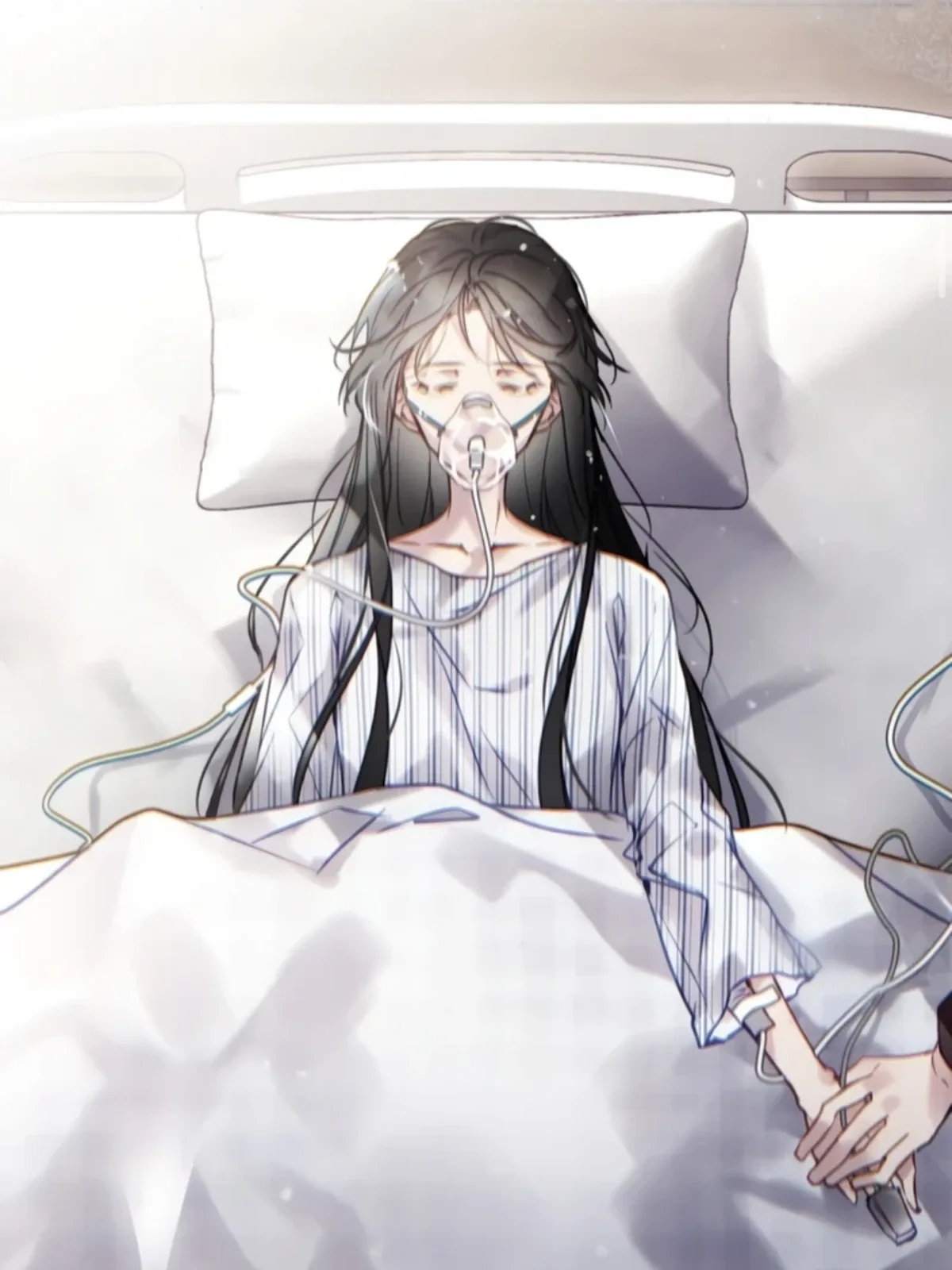
When Penelope sees her real-world body through the mirror, I immediately began thinking about the ending.
Her original body still exists.
The other world is still there.
That means returning might actually be possible.
From that point onward, I kept imagining different possibilities. Penelope might return alone, she might choose to stay, or somehow she and Callisto might both find a way into the real world.
The possibility that worried me most was Penelope returning while Callisto remained behind.
By this point, their relationship had become something I genuinely cared about.
That made Penelope's eventual final choice much more powerful because the story had spent so long establishing that returning home was originally the thing she wanted most.
Yvonne Awakening the Dragon Was Completely Wild
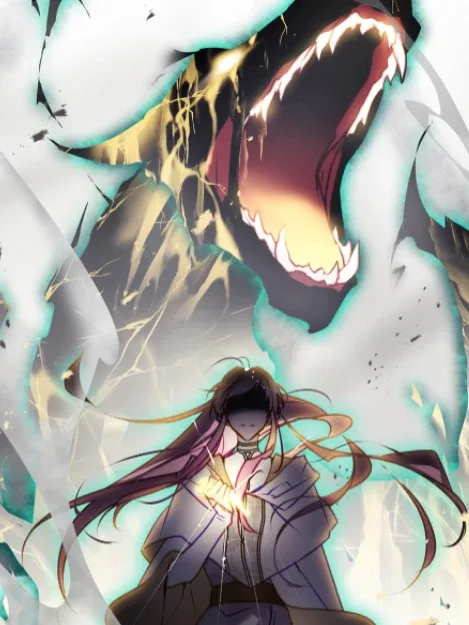
The final arc apparently decides that normal escalation is no longer enough.
Yvonne uses the dragon fang, and then the enormous dead dragon beneath the palace awakens.
At that point, the series has travelled incredibly far from the story we started reading.
Strangely, I did not feel like stopping.
Instead, I wanted the story to become even bigger because the emotional stakes were already strong enough to support the spectacle.
Eclis's sacrifice happens during this chaos. Callisto is fighting to reach Penelope. Vinter's entire history has been revealed. Yvonne's plans are reaching their conclusion, and Penelope is finally facing the person responsible for so much of the destruction around her.
Everything begins converging at once.
Penelope Versus Yvonne Was Absolute Cinema

The final confrontation between Penelope and Yvonne gave me exactly the kind of payoff I wanted.
By this stage, Yvonne is no longer simply the original heroine whose return threatens Penelope's position.
She has manipulated people Penelope cares about, attacked the Eckarts, endangered innocent children, destroyed lives and turned the entire empire into chaos.
That transforms their final confrontation into something personal.
Penelope is not defeating Yvonne because she wants to defeat the heroine of a game.
She is protecting the life she has built.
When Yvonne is finally defeated and falls from the building, my immediate reaction was that the entire sequence felt like absolute cinema.
I thought the final confrontation would be the biggest emotional moment of the ending.
Then the story presented Penelope with one final choice.
Penelope's Real Final Battle Was Choosing Her Own Life
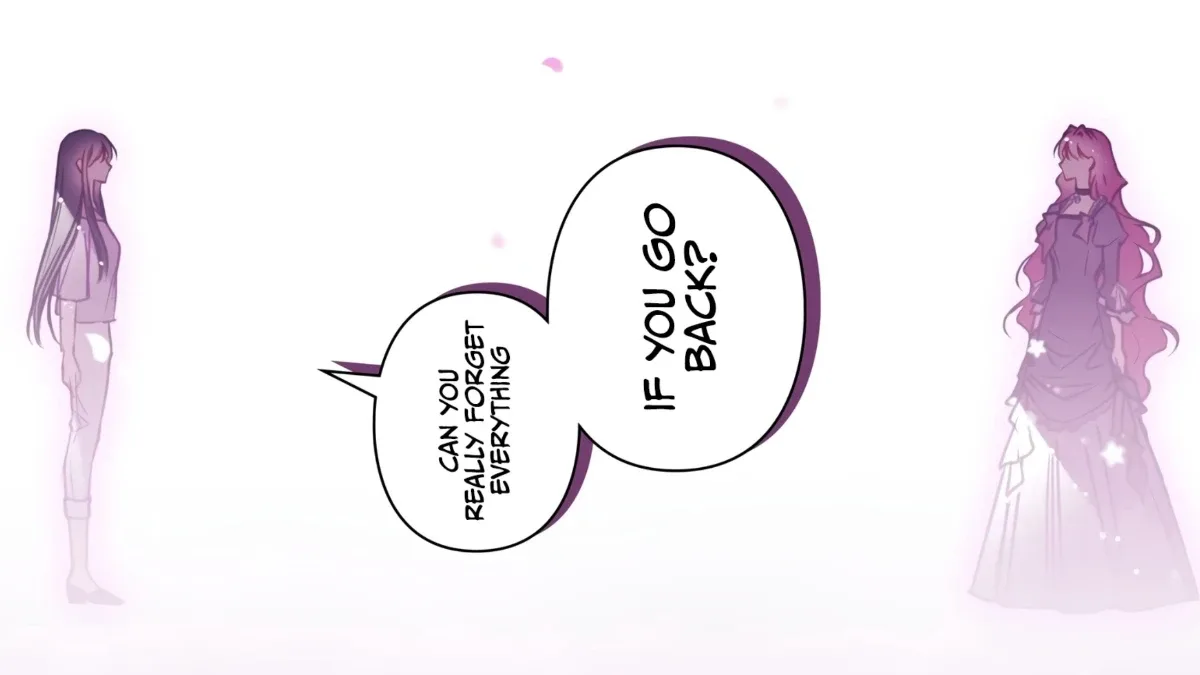
From the beginning of the story, Penelope wants to escape.
That is the entire reason she tolerates the affection system, dangerous routes and constant fear.
She wants to survive long enough to go home.
Then she finally receives that opportunity.
The problem is that Callisto is dying.
Penelope has to choose between the world she spent the entire story trying to return to and the person she has genuinely come to love.
This was exactly the situation I had been afraid of throughout the final arc.
If Penelope had returned to the real world, I could have understood her decision. This world had hurt her repeatedly. She had no obligation to remain somewhere that had tried to kill her so many times.
But Penelope chooses differently.
She Chooses Callisto Because She Finally Has a Choice
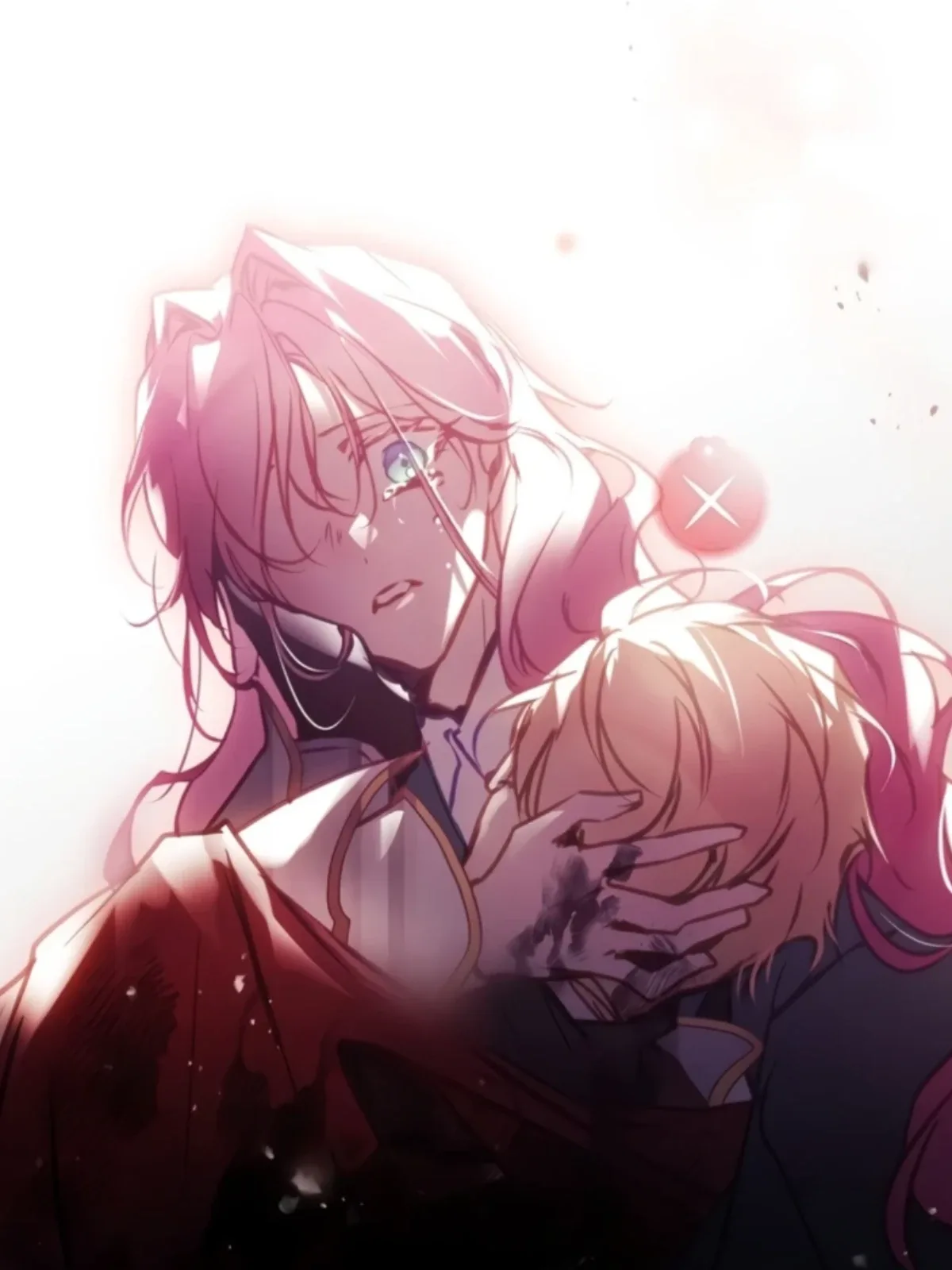
Penelope gives up the opportunity to leave and saves Callisto.
For me, this is the moment that completes her entire character arc.
The important part is not simply that Penelope chooses the male lead.
The important part is that Penelope finally has freedom.
At the beginning, she remains inside this world because she has no choice. Every relationship is shaped by survival, and almost every action is influenced by fear.
At the end, the exit finally appears.
Penelope can leave.
She chooses not to.
That means remaining in this world is no longer imprisonment.
It becomes her decision.
Callisto is not merely a reward she receives for completing the game. He is part of a life Penelope has genuinely decided she wants.
That distinction is why the ending worked so well for me.
Penelope and Callisto Feel Real Because They Outgrow the Game
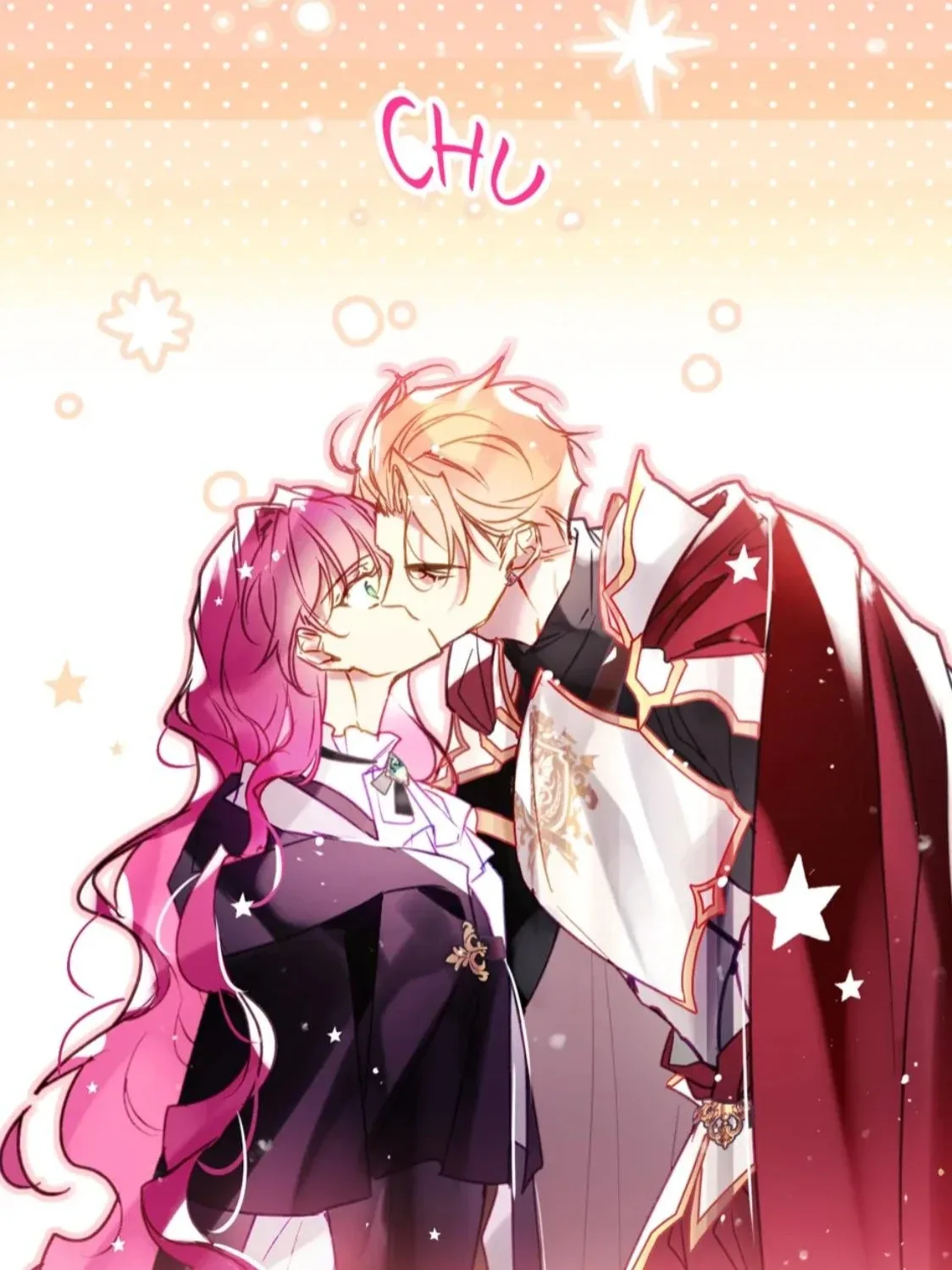
This is why Callisto ultimately became my favorite person for Penelope.
Their relationship begins terribly, but it gradually becomes one of the few relationships Penelope is no longer manufacturing for survival.
Callisto learns to see Penelope beyond the reputation everyone else gave her, while Penelope learns to understand the person underneath Callisto's dangerous reputation.
They remain sharp, difficult people.
They argue.
They tease each other.
They protect each other.
Neither suddenly becomes a completely different personality simply because romance begins.
Most importantly, Penelope eventually wants Callisto without needing the game to tell her that she should want him.
By the ending, I was not supporting them because I wanted Penelope to successfully complete a romance route.
I was supporting them because I believed Penelope genuinely loved him.
The Story Still Had Things That Annoyed Me
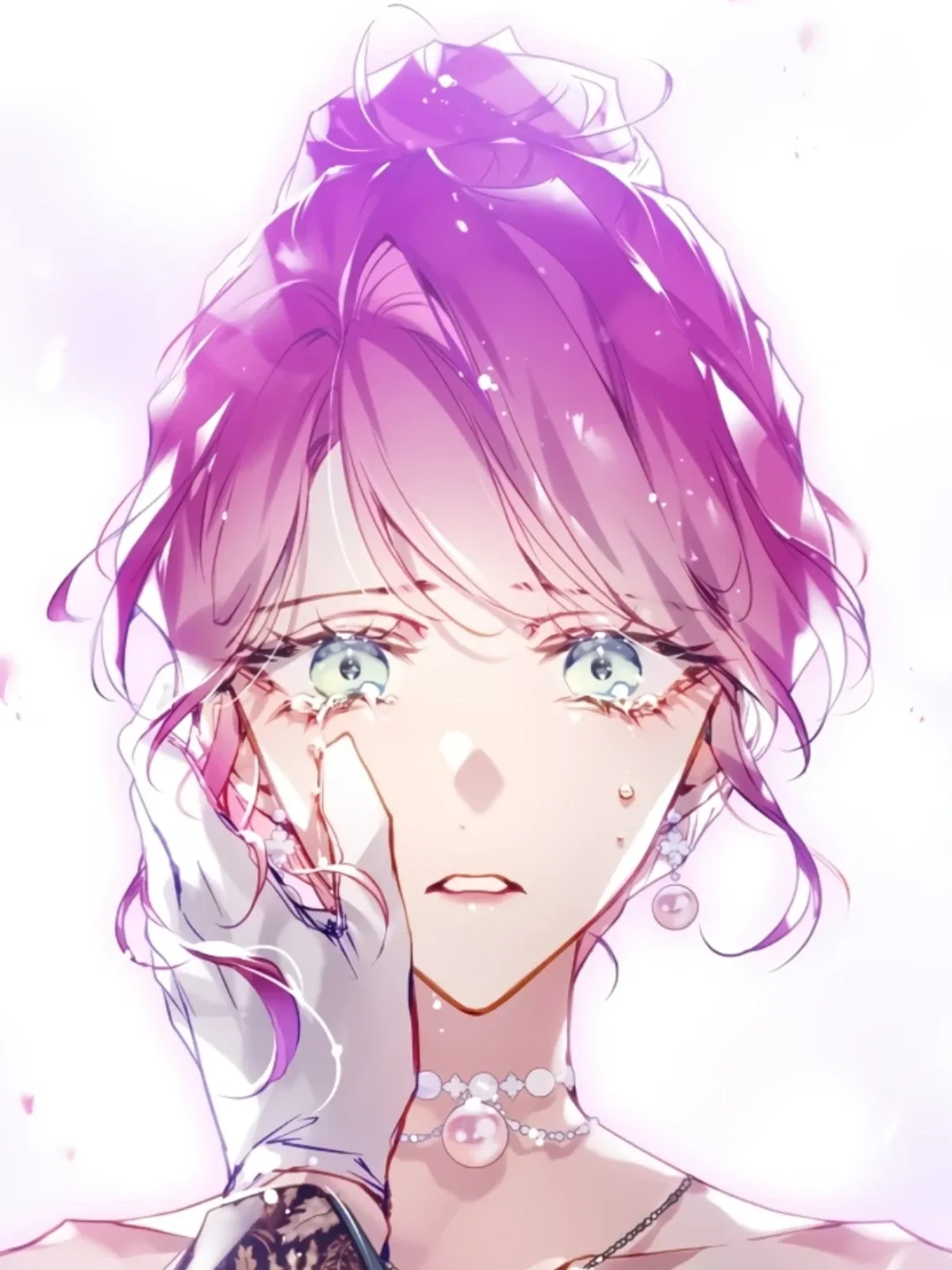
Calling this manhwa one of my favorites does not mean I enjoyed every decision.
Penelope gets captured, kidnapped or dragged somewhere against her will surprisingly often. After a while, I started wondering whether anyone in the empire had considered assigning her significantly better security.
Eclis also became incredibly frustrating because he somehow appeared whenever a plan was finally beginning to work. His actions make sense within his character arc, but that does not make watching another carefully constructed plan collapse any less painful.
Some characters also take an incredibly long time to understand things that already feel obvious to the reader. Derrick is probably the strongest example.
There are also early sections, including parts of the hunting festival and the original game-focused storyline, that can feel much smaller once you know how enormous the plot eventually becomes.
However, none of these problems made me want to abandon the story.
That matters more to me than pretending everything is technically flawless.
The Art Makes the Biggest Moments Even Better
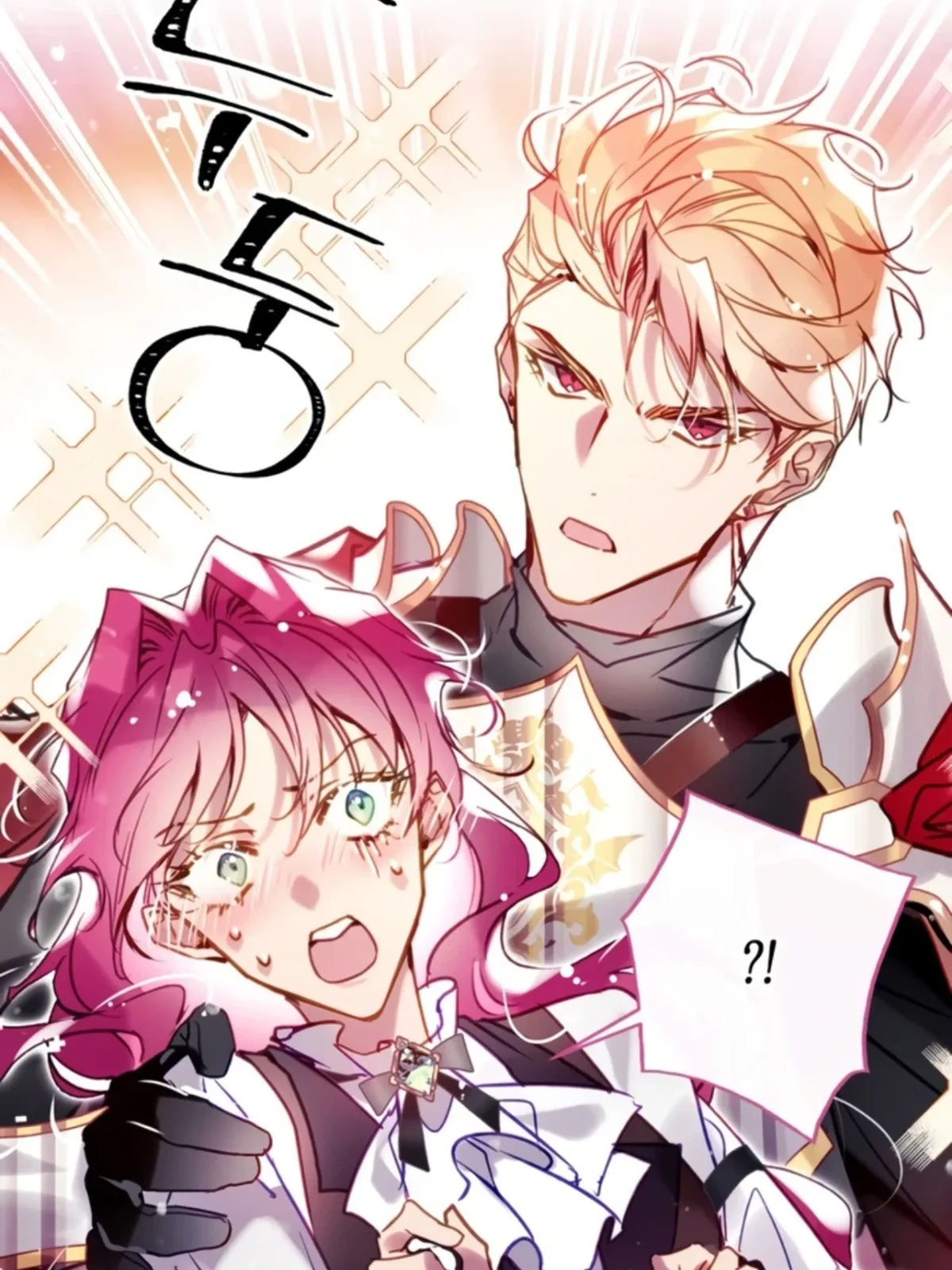
The artwork deserves separate praise because it contributes so much to the emotional impact of the story.
Penelope looks incredible throughout the series, but the art does much more than simply make characters attractive.
Expressions matter.
Lighting matters.
Magic feels dramatic.
The final arc becomes visually enormous while still knowing when to focus on a single character's face.
That balance makes major scenes feel cinematic without losing the emotional details underneath them.
There are several images from the final chapters that I could easily use as wallpapers because they are simply beautiful.
My Final Verdict
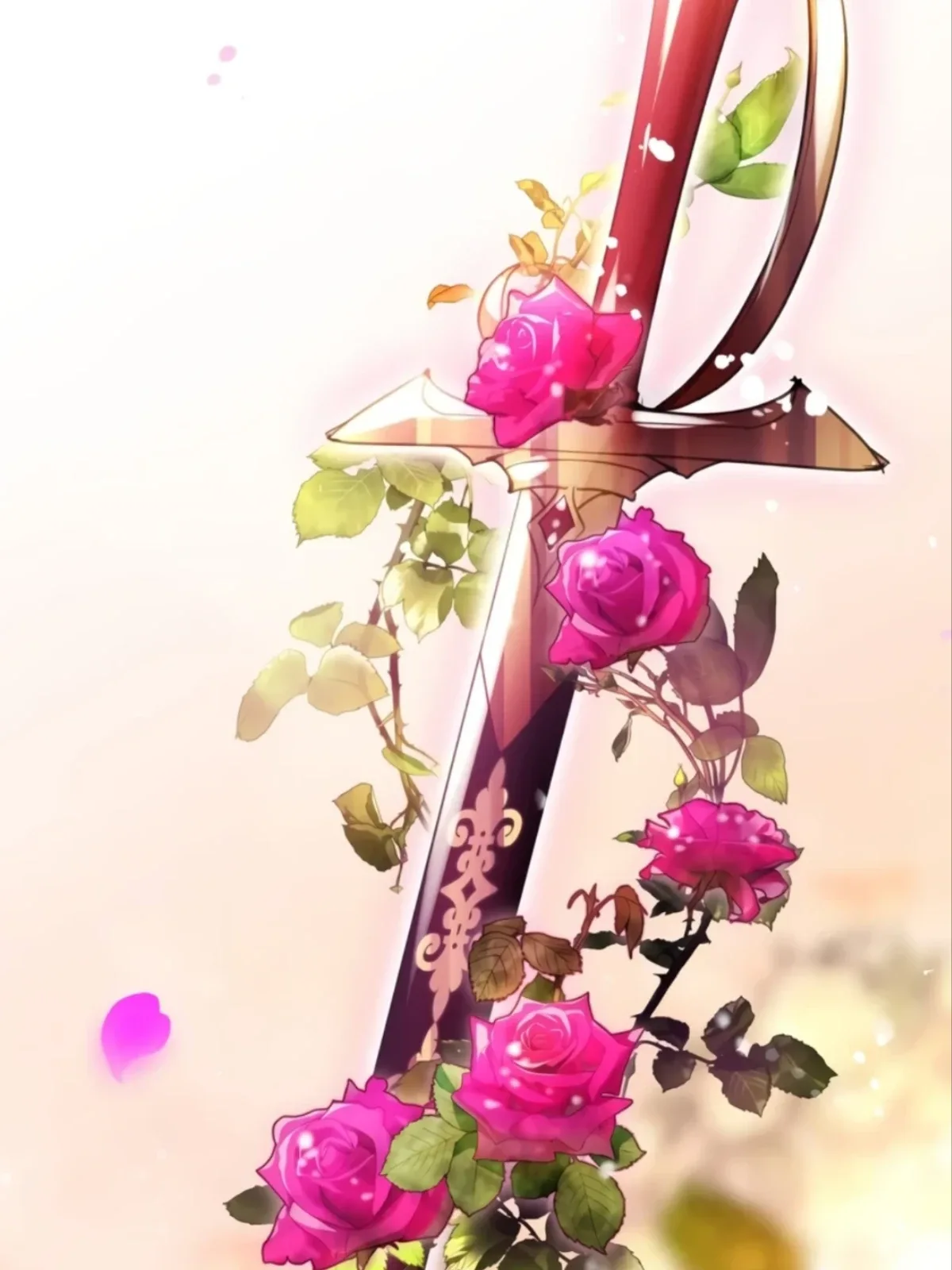
Was Death Is the Only Ending for the Villainess perfect? No, and I do not think it needs to be.
Some sections frustrated me. Derrick repeatedly tested my patience. Eclis somehow made me feel sympathy, anger, frustration and sadness within the same storyline. Vinter became much more tragic than I expected, and Reynold surprised me by gradually becoming one of the Eckarts I could actually understand.
Meanwhile, Penelope and Callisto developed from one of the most dangerous first meetings imaginable into the relationship I wanted to survive the ending.
During the final chapters, I genuinely worried that Penelope would return to the real world and leave Callisto behind.
When she finally received that choice and decided to save him instead, the story gave me exactly the emotional payoff I wanted.
However, what makes the ending satisfying is not simply that my favorite pairing survives.
Penelope begins this story believing freedom means escaping this world.
She ends it understanding that freedom means being able to decide what life she wants.
For most of the story, Penelope survives because she has to.
At the end, she finally lives because she chooses to.
That is why Death Is the Only Ending for the Villainess became much more than another villainess story for me.
I started reading because the premise looked interesting.
I finished thinking that this was absolute peak.
My Rating
I would give the story a 9/10 because the overall journey is extremely memorable even though some sections frustrated me. The characters deserve 9.5/10, especially because Penelope, Callisto, Eclis, Vinter, Reynold and the rest of the Eckarts gave me very different emotional reactions throughout the story.
The romance earns 9.5/10 because Penelope and Callisto gradually develop beyond the game's original relationship mechanics. The artwork easily earns 10/10 because some of the biggest scenes are genuinely beautiful.
For emotional damage, however, normal mathematics is no longer useful. Eclis alone probably pushes that score beyond 12/10.
My overall rating is 9.5/10.
Should You Read Death Is the Only Ending for the Villainess?
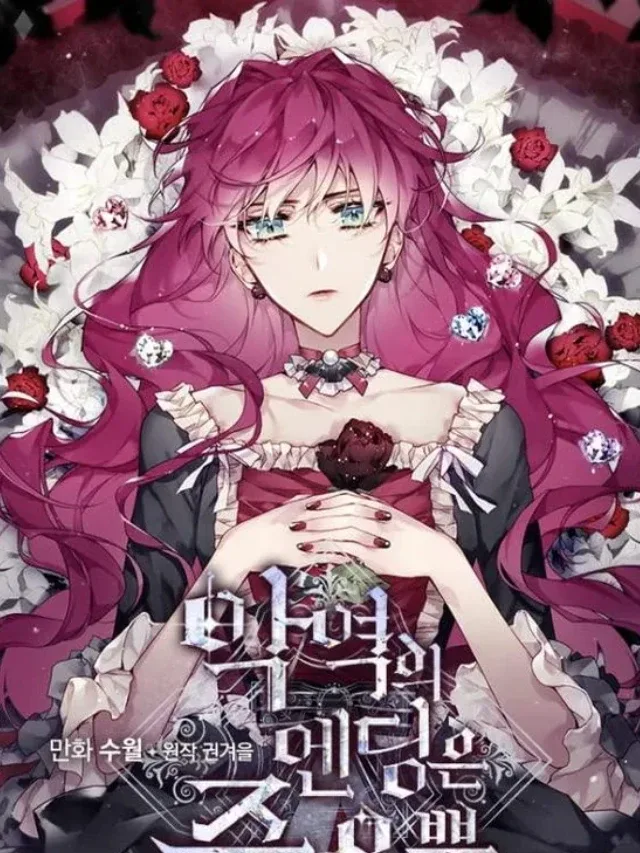
If you enjoy villainess stories but want something that eventually becomes much larger than its original otome-game setup, I absolutely recommend giving this one a chance.
The beginning focuses heavily on game mechanics and survival, but the story gradually expands into something much darker and more emotional.
Come for the villainess survival game.
Stay for Penelope.
Just be prepared, because the story becomes much more emotionally intense than its opening chapters suggest.
0 Comments